

1,000+ happy customers
Get matched with A-Level specialist tutors for personalised one-on-one tutoring.
Currently serving students in
your coutry!

About WJEC / Eduqas
WJEC is the main exam board in Wales, and Eduqas is the name it uses for the qualifications it offers to schools in England. They come from the same organisation but are separate qualifications, regulated separately and built differently. WJEC A Levels, taken in Wales and regulated by Qualifications Wales, are modular: students sit AS units in the first year, and those results count for 40% of the final A Level. Eduqas A Levels, taken in England and regulated by Ofqual, are linear like the other English boards, with every paper sat at the end of the two-year course and an AS result that does not count towards the A Level. Content is often similar between the two, but papers, weightings and grading rules differ, so it matters which one a student is sitting. Eduqas is widely used for subjects such as English Literature, Religious Studies, Film Studies and Media Studies. Both examine A Levels once a year, in the May–June series.
Not sure which board you are on?
Every paper carries the board name and a syllabus code in the top corner. Cambridge codes are four digits: 9709 for AS & A Level Mathematics, 0620 for IGCSE Chemistry. Check a past paper, a mock, or ask the subject teacher.
–Look at the header of any past paper or mock
–Four-digit code = Cambridge; other boards use different formats
–Send us the code and we will match the tutor to it
How WJEC assesses you
Two boards can teach the same content and still reward different things. This is how Cambridge papers are built, and what that means for how a student should prepare.
1. Paper Structure
The structure depends on which of the two qualifications a student is taking. WJEC A Levels in Wales are built from units, with AS units sat at the end of the first year and A2 units at the end of the second. Eduqas A Levels in England are assessed through two to four written papers, all sat at the end of the course.
- WJEC (Wales): AS and A2 units sat across two years
- Eduqas (England): all papers at the end of the course
- A2 and final papers can draw on the whole course
- The specification code shows which one you are on
2. Practicals and coursework
In the sciences, students complete a set of specified practicals in class, and practical skills are tested in the written papers. Eduqas science students also receive a separate practical endorsement, reported as Pass or Not Classified alongside the grade. Several essay-based and creative subjects include a piece of non-exam assessment (NEA).
- Specified practicals in Biology, Chemistry and Physics
- Practical endorsement reported separately for Eduqas sciences
- Practical skills also tested in the written papers
- NEA in subjects such as English Literature, History (WJEC in Wales), Film Studies and Media Studies
3. The role of AS and A2
This is where WJEC and Eduqas differ most. In Wales, the WJEC AS is sat at the end of the first year and counts for 40% of the full A Level, with the A2 units making up the remaining 60%. In England, the Eduqas AS is a standalone qualification that counts for nothing towards the A Level, and the full grade comes only from the final papers.
- WJEC (Wales): AS is 40% of the A Level
- WJEC AS units can be resat in the second year
- Eduqas (England): AS is standalone, worth 0% of the A Level
- Eduqas A Level papers are all sat at the end of the course
4. Markings and grades
Papers are marked externally against published mark schemes, with extended answers marked in levels. WJEC A Levels in Wales convert each unit's raw mark to a uniform mark (UMS), so AS and A2 results can be combined. Eduqas A Levels add the raw marks from every paper into one total, with grade boundaries set after each series and published on results day.
- Published mark schemes and examiner reports
- WJEC (Wales): uniform marks per unit
- Eduqas (England): raw total, boundaries set each series
- A* to E at A Level, U for ungraded
What we coach for on Cambridge papers
These are the habits that separate a B from an A on this board specifically. Tutors who have marked Cambridge scripts teach to them from the first lesson.
WJEC and Eduqas mark schemes use levels for extended answers, and examiners reward a clear, developed argument over a list of points. Each level describes the quality of reasoning expected, so learning what separates one level from the next is often the quickest route to a higher grade.
Command words set the task precisely. "Describe" wants what happens, "explain" wants why, and "evaluate" or "analyse" wants reasoning weighed against evidence. The number of marks shows how many distinct points the examiner needs, and writing beyond that wins nothing.
Non-exam assessment carries real weight in several subjects on this board. Planning it early, understanding the marking criteria, and leaving time to redraft can secure marks before the exam season begins.
For WJEC students in Wales, the AS units sat in the first year already count towards the final grade, so year-one exams need the same preparation as the final ones. For Eduqas students in England, the whole grade rests on the final papers, and mixed past-paper practice across the full course is the best preparation.
WJEC subjects and syllabus codes
We have tutors available for all subjects.
Key dates for WJEC
WJEC and Eduqas examine A Levels once a year, in the May–June series, and entries close in February. Private candidates need to find an exam centre that will accept them and enter them before the deadline.
June series: entries close in late February, with late fees after that, and the school's exam centre usually sets an earlier internal deadline. Written papers run from early May to mid-June on the same common timetable as the other UK boards, followed by a contingency day that every candidate must keep free. Results are released in mid-August. For WJEC students in Wales, AS units are sat in this series at the end of the first year, and any resits in the second.
November series: for GCSE resits in core subjects only. There is no November A Level series, so an A Level resit means waiting until the following June.
Non-exam assessment: NEA deadlines are set by the school and fall before the written papers begin, usually by April or early May.
Ready to start?
Tell us the subject, exam board and target grade. A Learning Advisor reviews it the same day.
Tutors who teach WJEC
Every tutor is named, photographed and interviewed before they teach. Read a fullprofile before you commit to anything.
16
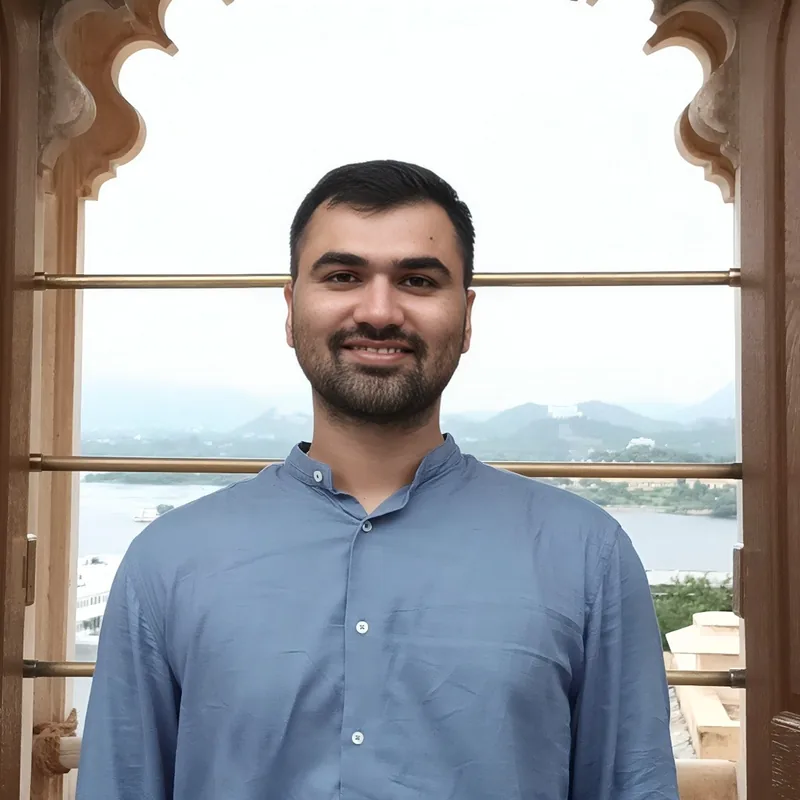
Anuraj S is an experienced Physics tutor with over 7 years of teaching experience, specialising in GCSE and international secondary-school Physics. He has taught students across major exam boards including Pearson Edexcel, Edexcel International (IAL), AQA, OCR, and Cambridge International (CIE), helping students build strong conceptual understanding and achieve their academic goals.
He holds a Ph.D. in Plasma Physics, an Integrated M.Sc. in Physics from the Central University of Rajasthan, and a Bachelor of Education (Gold Medallist, 91%). His strong academic background allows him to explain challenging Physics concepts clearly and connect theory with practical, real-world applications.
Anuraj has extensive experience preparing GCSE students for both content and exam technique. He focuses on understanding the specification, command words, mark schemes, required practicals, mathematical skills, and exam-style questions. His lessons include systematic revision, past-paper practice, identifying common mistakes, and developing the structured approach needed to gain marks consistently.
His teaching style is patient, approachable, and highly adaptable. He first makes sure students genuinely understand the underlying concept before progressing to more challenging questions. Whether a student is struggling with the fundamentals or aiming for the highest grades, he tailors lessons to their individual needs and helps them become confident, independent Physics problem-solvers.

48
Aster is an experienced international educator with a Bachelor's degree in Physics and several years of experience teaching and tutoring students across a range of international curricula, including Cambridge, Australian, and other globally recognised programs. She specialises in Physics, Mathematics, Science, English, and academic skills development, and has worked with students from primary school through to senior secondary levels.
Throughout her career, Aster has taught students from diverse cultural and educational backgrounds, including Australian students in online learning environments. Her experience extends beyond subject content to helping students develop critical thinking, problem-solving, exam techniques, academic writing, and independent learning skills. She is also experienced in supporting students with essay writing, research projects, and assessment preparation.
Aster's teaching approach focuses on making complex concepts clear, engaging, and accessible. She adapts lessons to each student's learning style and believes that strong understanding is built through curiosity, confidence, and active participation. Students and parents appreciate her patient, supportive, and encouraging manner, as well as her ability to explain challenging topics in a simple and relatable way.
With a strong background in science education and a passion for helping students achieve their academic goals, Aster is committed to helping every student build confidence, improve performance, and enjoy the learning process.

46
Cheryl is a highly qualified Biologist. She holds a First Class Honours degree in Anatomy and Cell Biology from the University of Sheffield and a PhD (focusing on the oxytocin receptor in the male reproductive tract) from the University of Bristol.
For the last 26 years, Cheryl has taught in independent schools around the globe (including the UK, NZ and Egypt). She has taught Biology at the following levels: (I)GCSE and A level and is familiar with all of the examination boards offering these subjects. Human Biology and Chemistry GCSE is also something Cheryl is familiar with.
Keeping up to date with the courses through professional development, Cheryl's understanding of the mentioned courses is current.
Cheryl's students have consistently achieved grades greater than their CEM data predictions. This means that Cheryl always adds 'value' to the achievement of her students.
Cheryl also likes to aid students with study and revision skills. She has a Master's degree in Education and Psychology from the University of Cambridge. Her thesis investigated the impact of graphic organisers on metacognition and learning.
Cheryl has been described as approachable and good humored and builds working relationships easily. She uses a constructivist approach in her teaching which means that her students are not passive but active learners.
20
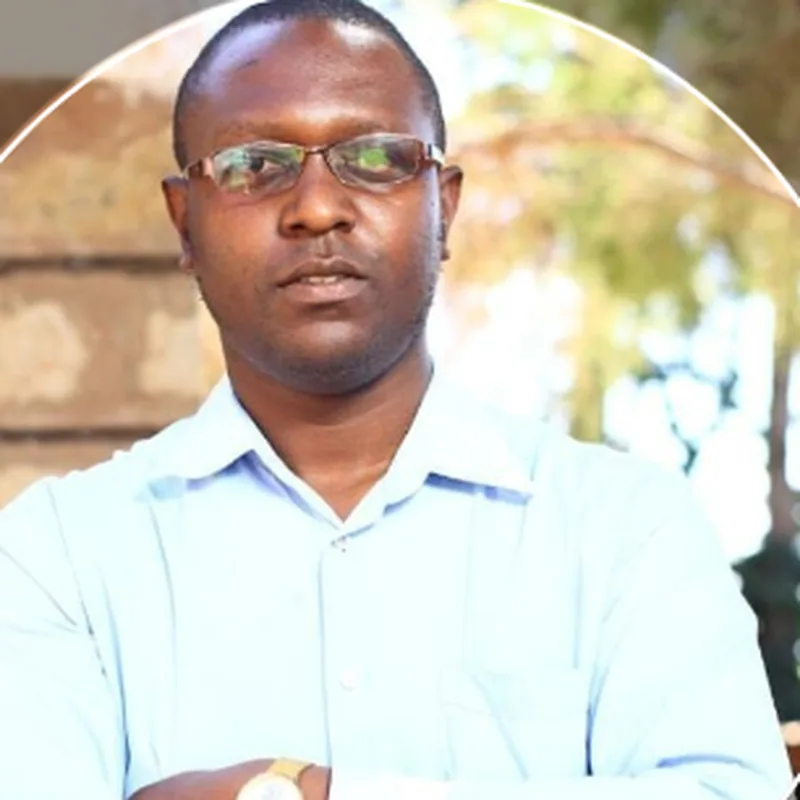
I'm an A-Level and GCSE tutor in Physics, Chemistry, Biology and Accounting, with many years of experience teaching students one-to-one on platforms including Varsity Tutors and Wyzant, and privately. I hold a degree in Management Information Systems and an MBA with a specialization in Project Management, and I'm currently pursuing a PhD in Information Systems Management. I also studied English Literature and History at an advanced level, achieving top marks, which helps me teach students to write clear, well-structured exam answers.
Over the years I've worked with students from beginners through to exam preparation, and I tailor each lesson to the specification and exam style they are working toward, whether that's AQA, Edexcel, OCR or another board. My approach is simple and personal. I explain difficult topics in plain language with everyday examples, such as using a car journey to teach velocity, acceleration and graphs, so students understand why the methods work and not just how to use them. I teach step-by-step methods for calculations and exam questions, with past-paper-style practice and time management. Every lesson is built around the student's needs and learning style, so they understand the material and enjoy learning it.
10
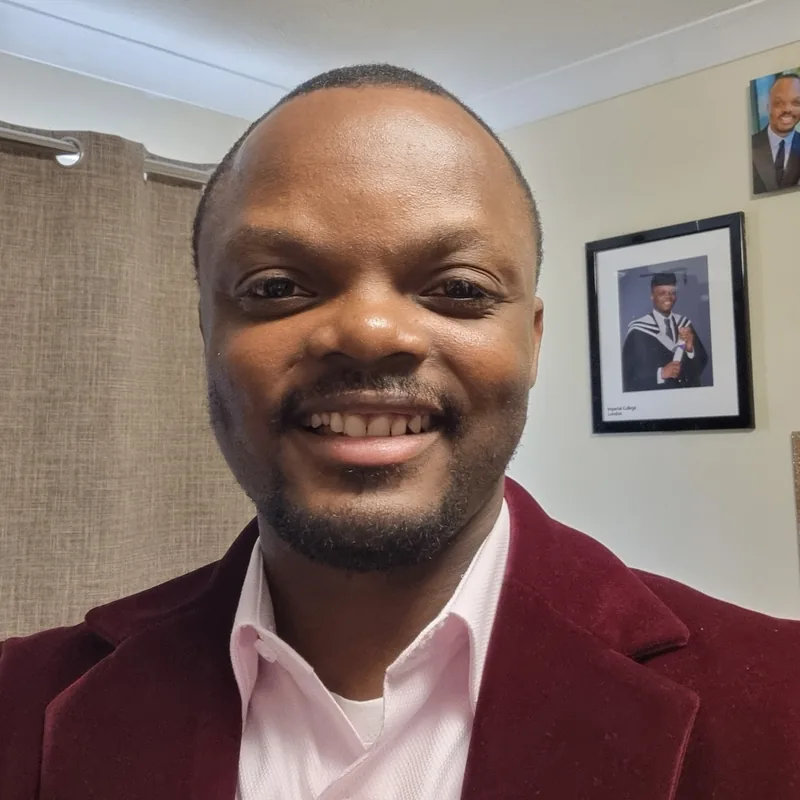
Teaching provides a unique opportunity to shape lives and influence young people towards a responsible future, hence, my passion for teaching. As one with a passion for Mathematics, Physics, Chemistry and Biology, I understand that many students face real challenges grasping the concepts of the subjects. Hence, teaching provides me the avenue to tackle this, while also making a contribution; giving back to the society and also challenging myself towards further growth and development. I have taught since my secondary school days; taking more than 800 students in total; at various levels (on a one-on-one basis, in groups and at mass teaching levels). I have also taught at various educational levels (secondary and tertiary) as well as to a diverse range of student ethnic backgrounds with a very high success rate in student comprehension evinced by their later performance. Having gained significant experience teaching this subject, I have a very broad understanding of what is expected of students writing the GCSEs and A-level exams. I have also prepared students for varying exams including the – 11+, 13+, 16+, and curricula - GCSE and A-levels (Edexcel, OCR, AQA), IB (SL and HL) and Scottish National with excellent results from students - most of my students achieving grades 8 and 9. My teaching success rate has been largely due to my deep and vast understanding of the subject matter, coupled with my calm, interesting and engaging manner of communication that makes even an average and uninterested student develop a desire for Maths and Science. I use diverse teaching-aids, web-resources etc. as necessary."
I hold a First Class honours degree in Chemical Engineering and a Masters degree in Advanced Chemical Engineering from the Imperial College of Science, Technology and Medicine. I am also a UK Qualified Teacher with more than 4000 hours teaching/tutoring experience over a period of 15+ years. This has provided me with diverse experience necessary for tutoring different students' backgrounds with evident successes in the exams. I am hoping to be of help and assistance to any student in need.

17
I am an accomplished educator, NERC/QUADRAT-funded PhD scientist, and Certified Senior Examiner specialising in Biology, Chemistry, Geography, Environmental Science/Management, and Earth Sciences across A-Level, IGCSE, and GCSE levels. I earned my PhD in Environmental Sciences with distinction, an MSc in Biodiversity and Conservation with a PGCE equivalent, and a BSc (Hons) in Geography and Bioscience supported by the Repsol Sinopec Excellence Scholarship from the University of Aberdeen. With over 15,000 hours of total instructional experience spanning top international schools, leading universities, and global online platforms, my career bridges elite academic research with highly effective 1:1 student mentoring.
My scientific research focuses on high-altitude tropical and montane ecosystem resilience, biogeochemistry, and geophysics, leading to peer-reviewed contributions in leading academic journals such as Geosciences, features in The Economist, and presentations at major climate summits such as COP 26 through COP 30. As an active Certified Examiner for major secondary specifications, I provide students with an insider understanding of marking schemes, structural assessment shifts, and syllabus nuances. Combined with multilingual fluency in English (C2), Spanish (C2), Polish (Native), Italian (B2), German (B1), and Portuguese (B1), I deliver an intellectually rigorous, globally contextualised learning experience that empowers students to excel.
Tutor Experience
Over the past several years, I have logged over 15,000 total instructional hours, including more than 14,000 hours of direct 1:1 online tutoring and specialised digital learning environments. My pedagogical scope covers secondary, pre-university, and undergraduate levels across Biology, Chemistry, Environmental Science, Physical and Human Geography, Geology, and Earth Sciences. I possess extensive experience with all major exam specifications, including AQA, Pearson Edexcel (UK & IAL), OCR (A & B), Cambridge International (CIE), WJEC/Eduqas, and CCEA.
My institutional background includes four years as an academic lecturer and reader across leading UK universities, including the University of Aberdeen and the University of Edinburgh, alongside teaching cycles in top-tier international school environments. In these roles, I have directed coursework, designed geological and ecological field expeditions, and mentored students through independent geographical investigations, lab reports, and Non-Exam Assessment (NEA) coursework.
This rigorous background drives consistent student performance: 80–85%+ of my A-Level and GCSE/IGCSE tutees achieve top grades (A/A* or Grade 8/9), while my university students achieve average grade improvements of 30–40%+. Whether preparing high schoolers for competitive university entry or guiding them through high-stakes modular exams, I tailor every session to ensure total syllabus mastery and exam confidence.
Teaching Approach
My teaching philosophy is built upon an innovative, empirical framework that synthesises advanced scientific inquiry, diagnostic assessment architecture, and metacognitive learning strategies. Designed to transform passive memorisation into active analytical mastery, my approach elevates student performance across four core pillars:
Diagnostic Micro-Assessment Architecture — To guarantee complete syllabus coverage, every unit concludes with a mandatory diagnostic topic test. Built around rigorous targeted questioning, this system systematically identifies and resolves micro-gaps in knowledge before they impact official examination performance.
Examiner-Grade Assessment Mechanics — Drawing directly on my role as a Certified Senior Examiner, I train students to interpret command terms, structure high-scoring responses, and decode complex mark schemes. I provide specialised coaching on critical exam mechanics, including mastering extended 6- and 9-mark analytical questions and navigating board-specific scoring criteria.
Intradisciplinary Scientific & Applied Research Integration — I bridge theoretical syllabus content with real-world scientific methodologies derived from active research in high-altitude tropical ecology, geophysics, and environmental management. This intradisciplinary model deepens conceptual understanding, strengthens analytical data-response essays, and prepares students for top-tier academic rigour.
Adaptive Metacognitive Mentorship — Every learning pathway is customised to the student's unique cognitive profile, integrating high-yield active recall and structured problem-solving with dedicated academic mentorship. By cultivating both conceptual clarity and strategic resilience under exam conditions, I help students reach their highest academic potential.
15
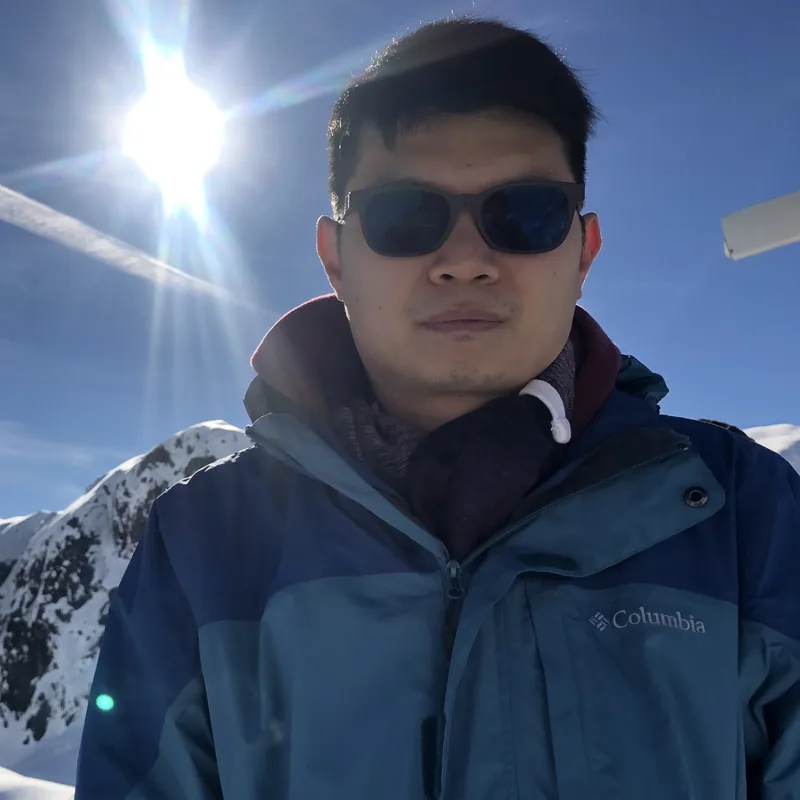
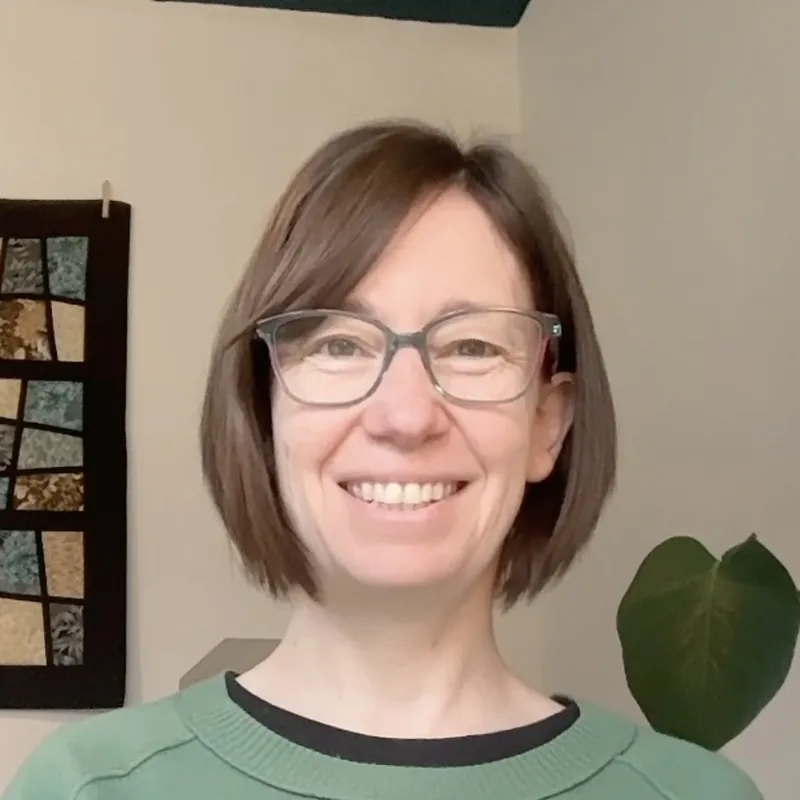
Jason is a seasoned humanities subject teacher, teaching across a variety of subjects, including History, Geography, Sociology, Philosophy, Religious Studies, Law and other humanities subject for different exam boards. Jason was awarded a Second Class Degree in Bachelor of Social Sciences (Government and Laws) and Bachelor of Laws, while I spent most of teaching career in Geography, especially appreciating the dimensions of human geography. Jason aims at building a solid knowledge foundation to be built upon, and equipping students with the exam techniques to be successful. Jason’s sessions are structured, focused, always questioning so that students are prompted to think more and are given the opportunities to articulate themselves, essential skills to be successful in IBDP.
13
Louise B has taught/tutored A level and GCSE/IGCSE Biology for over 10 years and is experienced at preparing students to perform well during their exams. Several of her A level students have gone on to study Medicine and many of her GCSE students have achieved a 9, but her biggest driver is to build the confidence in the young people she works with. Helping her students realised that they are more capable than they previously believed is what, she believes, enables them to make the fastest progress towards their goal.
At university Louise initially began studying Biochemistry but quickly realised that Microbiology was a bigger passion. She therefore has an excellent understanding of metabolic processes that students tend to find tricky. Her PhD in life sciences demonstrates that she understands the research process and is able to pass these skills onto her students.
Finally, Louise's teaching qualification was attained at the University of Oxford meaning that she is equipped with teaching skills that will allow her to get the best from her students. Her approach is to work with students with empathy and an open mind so that students grow in confidence and feel that they can achieve more than they previously thought possible.

44
Mahesh B is an experienced A Level Physics educator and International Examiner with over a decade of full-time teaching experience. He has taught students from different countries and academic backgrounds, helping them develop a strong understanding of Physics while preparing them systematically for their examinations.
Mahesh teaches Cambridge International (CAIE) A Level Physics and Pearson Edexcel International A Level Physics. His experience with both examination boards allows him to understand the differences in syllabus structure, question styles, assessment requirements and examination expectations. He adapts his lessons according to the student's specific specification rather than using the same approach for every exam board.
Alongside teaching, Mahesh works as a Cambridge International A Level Physics Examiner and Pearson Edexcel A Level Physics Examiner. His examining experience gives him first-hand exposure to mark schemes, assessment criteria and student responses. Having assessed examination answers, he has developed a clear understanding of the areas where students commonly lose marks and the level of explanation, working and reasoning expected in different types of questions.
He brings this examiner experience directly into his tutoring. Students learn not only how to arrive at the correct answer but also how to approach an examination question, show their working clearly, explain their reasoning, use appropriate units and present answers in a way that addresses the requirements of the question.
His teaching approach is centred on understanding Physics rather than memorising formulas. He breaks down difficult concepts into simpler ideas and then helps students apply those concepts through numerical problems, diagrams, real-world examples and exam-style questions. Particular attention is given to topics that students find challenging and to developing the mathematical and analytical skills required for A Level Physics.
A significant part of his teaching involves past-paper practice and examination preparation. Rather than simply working through large numbers of questions, Mahesh encourages students to understand why a particular approach works, identify patterns in questions, recognise common errors and learn from their mistakes. This helps students become more confident when they encounter unfamiliar problems in examinations.
Mahesh also provides individualised one-to-one online tutoring to students worldwide. He has worked with students from diverse educational backgrounds and adapts the pace, depth and teaching style according to each student's needs. Whether a student is struggling with fundamental concepts, looking to improve their examination technique or preparing for high grades, lessons are structured around their individual areas of difficulty.
In addition to teaching, Mahesh has worked as a Physics content developer with Revision Village and Pamoja, contributing to the development of educational and learning resources. This experience has strengthened his ability to explain Physics clearly and create structured, student-friendly learning material.
His online lessons are interactive and highly visual, making use of digital writing, simulations, animations, illustrations and real-world applications wherever they help students understand a concept more effectively. He aims to create an environment where students can ask questions freely, work through problems step by step and develop confidence in their own ability to solve Physics problems.
With his combination of 10+ years of teaching experience, CAIE and Pearson Edexcel examining experience, international tutoring experience and educational content-development work, Mahesh brings both subject expertise and an examiner's perspective to A Level Physics tutoring.
His ultimate aim is to help students understand Physics deeply, approach challenging problems with confidence and develop the examination skills needed to demonstrate their knowledge effectively.

22
Meghana Thakkar is an accomplished Science educator and experienced online tutor with 14 years of dedicated experience teaching Biology across GCSE, IGCSE, O-Level, and A-Level curricula (including AQA, Pearson Edexcel, CIE, and OCR exam boards). Since 2015, she has specialized in delivering targeted, high-impact virtual instruction to international students, helping them master rigorous theoretical content and excel in high-stakes examinations.
Leveraging her strong academic background—including an M.A. in Education from the University of Bath and an M.Tech Integrated in Biotechnology from Dr. D. Y. Patil University (Gold Medalist)—Meghana excels at breaking down complex biological concepts into digestible, syllabus-aligned modules. Her instructional approach is deeply informed by modern pedagogical strategies and a commitment to data-driven progress tracking.
In her virtual and classroom settings, Meghana consistently drives measurable student success. For instance, her recent A-Level and GCSE Biology cohorts have achieved over 85% A to A grades (or equivalent Level 8/9 marks)*, with multiple students successfully transitioning into competitive medical and life sciences undergraduate programs globally. Proficient in digital learning ecosystems, she utilizes interactive tools like Microsoft Teams and collaborative digital whiteboards to foster highly engaging, student-centered learning environments. Known for building strong, communicative partnerships with both students and parents, Meghana is dedicated to equipping learners with the critical thinking skills and exam techniques required to achieve their absolute highest potential.

46
I'm Dr. Orn I — Yale PhD biochemist, Associate Professor of Biochemistry at Mahidol University, and a private chemistry tutor with 12+ years of experience guiding international school students through iGCSE and A-Level Chemistry from across different boards. Past students have been admitted to Stanford, Cambridge, Pomona, and Vanderbilt. I work with one student at a time, build each lesson around their specific exam board and school mark scheme, and send a written recap after every session. Online via Zoom / MS Teams from Thailand.

32
Özgür is completing his M.Sc. in Physics at Heidelberg University, Germany’s oldest university, with research in computational quantum physics. He holds a B.Sc. in Physics from Boğaziçi University, one of Turkey’s top universities, where he studied on a national merit scholarship and all teaching was in English.
He has tutored mathematics and physics since 2019, including GCSE and IGCSE students, and teaches A-Level Mathematics, Further Mathematics and Physics across all major exam boards, including AQA, Edexcel, OCR and Cambridge International. A-Level content such as calculus, mechanics, electricity and statistics is the basis of his own degrees and research, so he can explain not just how to solve a problem but why the method works.
He has written exam-style mathematics questions for Oxford University Press and created maths and physics learning material for online platforms, so he knows how good exam questions are built and how to prepare students for them. As a former university teaching assistant for Mathematical Methods in Physics, he knows where students tend to get stuck and how to get them past it. His research also gives him real strength in data analysis and uncertainties, a big help with A-Level Physics practical work.
Özgür’s lessons are clear, structured and patient. He finds the exact point where a student’s reasoning goes wrong, rebuilds the idea step by step, and builds the exam technique and confidence students need for top grades.

38
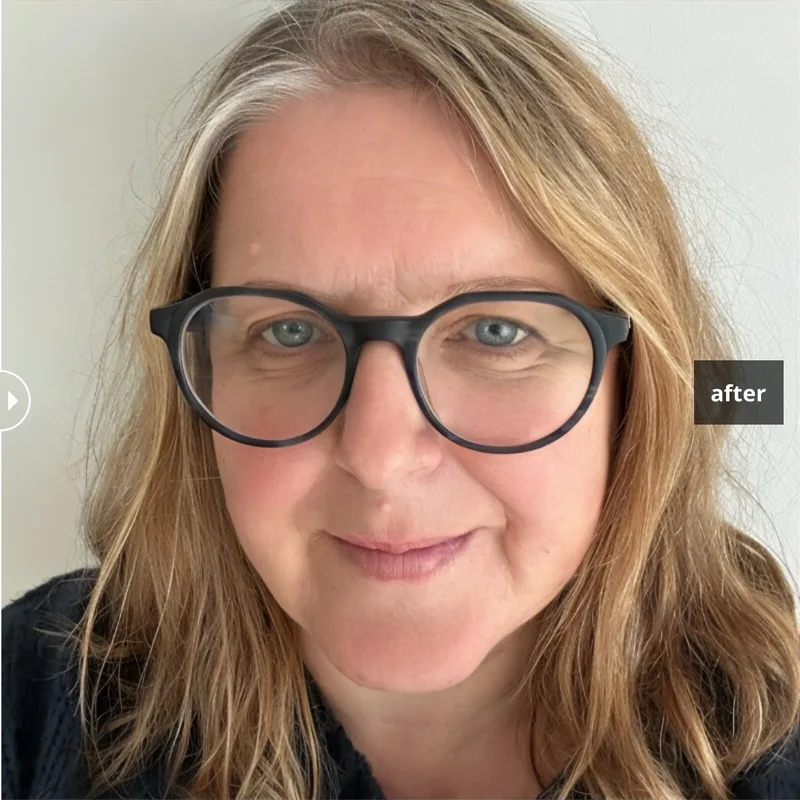
Rachel F holds a BA and MA degree in English Literature from the University of London, and is a qualified secondary school teacher in the UK with 15 years' teaching experience in UK state, independent and international schools. Rachel has extensive experience of teaching GCSE, IGCSE and A Level English Language and English Literature across a range of examination boards, with her most recent cohort of IGCSE students all receiving 8s and 9s. Rachel is also an academic, publishing research on English teaching, and has written two books for English teachers on teaching practice, with a third currently on the way. Warm, patient and caring, Rachel is passionate about supporting all students to fulfil their potential and feel confident in their abilities. Rachel is experienced at supporting students with additional needs such as dyslexia, and her many years of teaching experience means she has a range of strategies up her sleeve to support all students, no matter what they are struggling with. Sessions are always structured around individual students' needs, and focused on both analytical and writing skills to ensure students are ready to perform their best in their exams.
15
Over the last twenty years I have gained significant classroom and management experience at several State, Grammar and Independent Schools. I have been out of the classroom environment recently but continue to keep up to date with Education Policy and support students away from the school environment via home tutoring.
I am an experienced teacher with a passion towards my subject and have a great desire that all pupils across the ability range are inspired by Science; there is no greater job satisfaction for me than when that inspiration leads to students excelling in examinations or pursuing a career in medicine. As Head of Biology at Kingston Grammar School I managed a team of four experienced teachers- as well as being actively involved in the overall management of the Science department.
I was successful in improving both A-Level and GCSE results year on year. I was responsible for co-ordinating Community Service placements for students in the wider community. I also worked closely with Brunel University with their PGCE programme and was part of a team inspected by OFSTED and I was awarded as ‘outstanding’ in my mentoring work with PGCE students at Kingston Grammar.
Whilst my teaching specialism is Biology I have also taught Chemistry and Physics at key stage three, four and A Level. I have a broad knowledge of the science curriculum and how it fits in to schools academic policies and wider educational policies. I also have a good understanding of International Baccalaureate programs and Vocational courses. I have written schemes of work and working policies for a department as well as full risk assessments for practical work. I also have experience of intake of student new to a school be it a state school or an 11+ or Common Entrance at 13+. I have administered 11+ and 13+ examinations as well as being part of a team of interviewers assessing a student’s suitability for the school.

38
I have 10 years of tutoring experience in Biology, specializing in GCSE and A-Level preparation. I teach across all major exam boards, including AQA, Edexcel, OCR, and WJEC, covering both Foundation and Higher tiers at GCSE. My lessons focus on core topics such as cell biology, genetics, homeostasis, ecology, and required practicals, with a strong emphasis on exam technique, data analysis, and command-word practice. I have consistently helped students improve their grades, with many achieving grades 7–9 at GCSE and A–A* at A-Level.

25
Vanessa is an Aeronautical Engineering undergraduate at Imperial College London who demonstrated exceptional academic drive by independently self-studying and completing A-Level Mathematics and Further Mathematics early in Year 12. As one of only 13 students in the UK in her cohort to achieve a perfect sweep of 13 Grade 9s at GCSE, she brings a proven track record of top-tier academic excellence alongside over two years of dedicated tutoring experience. She has successfully guided students across Edexcel, AQA, and more to reach their full potential.
Vanessa adopts a structured, growth-oriented approach, starting with diagnostic feedback to target fundamental concepts before progressing to rigorous exam-style question practice. Empathetic, flexible, and disciplined, she instils confidence and resilience in her tutees while providing out-of-hours support to ensure they always feel fully supported.
Why parents trust us
4.9/5 from 312 reviews · used by students at 500+ schools





WJEC tutoring FAQs
We have answers to your most frequently asked questions. Anything not answered here, please reach out to our team.
A-Level and AS tutoring with an academic WJEC and Eduqas tutor starts from $60 USD (£45) per hour. Packages save 5–15%. You can also pay as you go, invoiced after each lesson, with no lock-in contracts. Professional tutors (qualified teachers and examiners) cost from $85 USD (£64) per hour. See our pricing page for the full breakdown.
Late cancellations and no-shows are charged at half the lesson fee. That applies if you cancel less than one hour before the start time, or don't turn up. You can still change a session time whenever you need to, as long as you give your tutor notice.
Our WJEC and Eduqas tutors cover Biology, Chemistry, Physics, Economics, Psychology, English Literature, Business, Geography and more, including Computer Science, Law, Sociology, French and Spanish. For WJEC students in Wales, we also cover Maths, Further Maths, History and Government and Politics, which Eduqas does not offer in England. Your tutor works from the specification your school follows, WJEC or Eduqas. Your Learning Advisor can check which one you are on when you apply.
Past papers and mark schemes are on each qualification's page; use the Eduqas past papers search for England or WJEC past papers for Wales. WJEC's publication policy controls when papers become public, so if the latest paper isn't published yet, private candidates can ask their centre or WJEC. Specifications are listed on the Eduqas qualifications page, and boundaries are on the Eduqas grade boundaries page, with UMS boundaries for Wales on WJEC's site.
Yes. Private candidates study independently but sit exams at an approved WJEC centre. You need a school or college that will provide exam accommodation and conduct, supervise, mark and authenticate any non-exam assessment, and WJEC advises arranging this before you start studying, as it can only accept entries where an arrangement is in place. JCQ publishes a list of centres that accept private candidates. June 2027 entries close on 21 February 2027. See the Eduqas private candidates page and our resits and retakes guide.
Eduqas works like AQA and OCR: its A levels are linear, regulated by Ofqual, and AS does not count towards the A level. WJEC in Wales is different from all the English boards because many of its A levels are unitised, with AS units counting towards the final grade and results reported on a uniform mark scale. The subject range differs too: Eduqas does not currently list A level Mathematics or History, while WJEC offers both in Wales. Content and paper structure vary by specification.
Yes, in some subjects. Eduqas A level Biology, Chemistry and Physics include the practical endorsement, recorded on the certificate as a separately reported result alongside the A level grade; learners must carry out at least 12 practical activities, and there is no endorsement at AS (Eduqas practical endorsement FAQ). Non-exam assessment is worth 20% of the Eduqas A level in English Literature (a prose study) and Geography (an independent investigation).
It depends on the qualification. Unitised WJEC A levels use the Uniform Mark Scale (UMS): each unit's raw mark is converted to a uniform mark, and an A level is out of 500 uniform marks (200 for AS), with UMS boundaries fixed from year to year. Eduqas A levels are linear, so component marks are added into a raw total, with boundaries set each series. In June 2026, the A* boundary for Eduqas Biology was 229 out of 300. See the Eduqas grade boundaries and WJEC grade boundaries pages.
It depends which one you take. For WJEC A levels in Wales, yes: they are unitised, and in WJEC Biology, for example, the two AS units are each worth 20% of the qualification, so AS makes up 40% of the A level (WJEC Biology specification). For Eduqas A levels in England, no: AS and A level are separate qualifications, and all assessment for the A level is taken at the end of the course. Our AS Level tutoring covers both.
WJEC and Eduqas A levels are sat in the summer series, from May to June. For June 2027, the final date for entries is 21 February 2027. Exams begin on 10 May 2027, candidates must stay available until the contingency sessions on 23 June, and results are issued on 12 August 2027. In Wales, WJEC AS units are sat in the same summer series. Schools often set earlier internal deadlines. See the Eduqas key dates and timetables page.
They are the same organisation. WJEC, a registered charity founded in 1948, is Wales' largest awarding body, and it launched Eduqas in 2014 for its Ofqual-reformed qualifications for England. WJEC A levels are accredited by Qualifications Wales and are not available to centres in England, while Eduqas A levels are accredited by Ofqual. The key structural difference is that many WJEC A levels are unitised, with AS units counting towards the A level, while all Eduqas A levels are linear. See WJEC and Eduqas.
Yes. Every WJEC and Eduqas tutor we match is chosen for the student's exact qualification, whether that is a unitised WJEC A level in Wales or a linear Eduqas A level in England, because the papers and rules differ. Our tutors are academic tutors who achieved A*/A grades, or qualified teachers and examiners. Your Learning Advisor matches you on subject, exam board and target grade. Meet our tutors or apply here to find your WJEC or Eduqas tutor.
Cambridge guides and past papers


Find the right A-Level tutor this week
If you are not happy after your first session with your tutor, please let us know and we will give you a full refund and find you another tutor for free.