

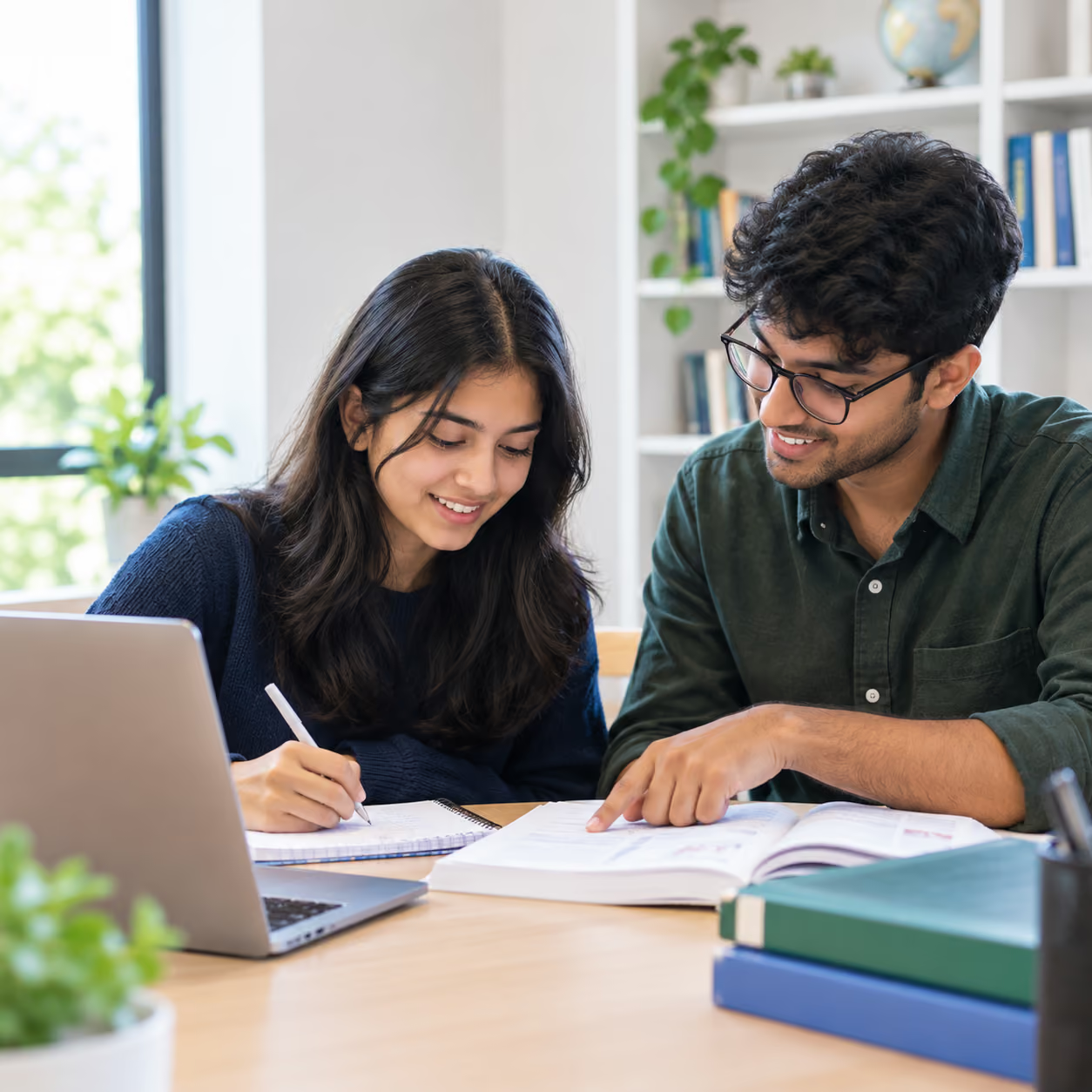
How It Works
We keep things as simple as possible. Our objective is to make finding a tutor convenient, efficient and effective.
Fill out an online form
Complete an application online which will be received by one of our dedicated Learning Advisors
Get matched with a tutor
Our experienced Learning Advisor will review your application, and match you with the most appropriate tutor based on your application
Tutor makes contact
Once we confirm with the tutor, the tutor will make contact to organise your first session.
Have your first lesson
Our tutors will work around your schedule to organise a session whenever you would like. Only pay for tutoring you have completed.
Choose between top performing students or qualified A-Level teachers
Either way, we use our bespoke matching process to find you a tutor based on your preferences, exam board and location.
Academic Tutors
from $60 USD/hr
Top performing graduates who achieved A*/A grades in the subject they teach.
- We accept only the top 5% of tutor applicants.
- Each tutor is chosen for their academic results, teaching ability, and connection with students.
Relatable role model: work with a tutor who is similar in age and can be a peer
Affordability: academic tutors are more cost-effective than professional tutors
First-hand experience: they sat these papers recently and know what worked
Professional Tutors
from $85 USD/hr
Current or past qualified teachers and examiners with 5+ years professional teaching experience.
- We only select highly experienced, qualified A-Level teachers.
- Every teacher is assessed on their teaching expertise, subject knowledge, and ability to engage students.
Quality assurance: trained and accredited teaching qualifications
Guaranteed track record: years of experience helping students succeed
Subject expertise: deep understanding of content and exam board requirements
Due to our international operations we quote our prices in USD. Pound amounts are an indicative conversion and you will be invoiced in USD.
Academic Tutors
from £47 GBP/hr
Top performing graduates who achieved A*/A grades in the subject they teach.
Relatable role model: work with a tutor who is similar in age and can be a peer
Affordability: academic tutors are more cost-effective than professional tutors
First-hand experience: they sat these papers recently and know what worked
Professional Tutors
from £67 GBP/hr
Current or past qualified teachers and examiners with 5+ years professional teaching experience.
Quality assurance: trained and accredited teaching qualifications
Guaranteed track record: years of experience helping students succeed
Subject expertise: deep understanding of content and exam board requirements
Meet our A-Level Chemistry tutors
Our team is a combination of A-Level graduates who sat these exams recently and qualified teachers with years of classroom and examining experience.

30
Ala is a BSc degree holder in Biomedicine and is pursuing her master's in clinical neuroscience. Her field of study incorporates Biology, Chemistry and Mathematics – the subjects she's been tutoring for 3 years now. She has experience tutoring AQA A-levels and (I)GCSE syllabi in the aforementioned subjects, improving students' comprehension of the subjects as well as creating effective exam strategies. She helped tutees achieve top grades (A* as well as 9s in GCSE). As an IB graduate, Ala understands the challenges of a rigorous high school curriculum and the struggles of having to manage multiple subjects at a higher level simultaneously. Thus, she ensures sessions with her students are focused and flexible by creating a tailored study plan for each student and preparing for the lessons diligently. She shares her enthusiasm for the subjects and positive energy with the students, making the sessions more enjoyable and friendly.
16
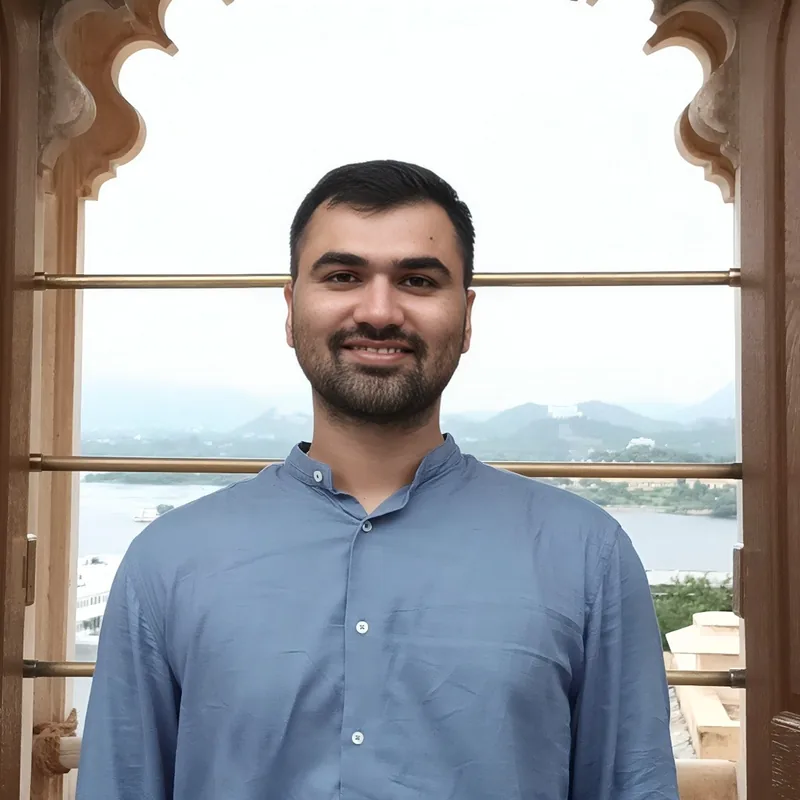
Anuraj S is an experienced Physics tutor with over 7 years of teaching experience, specialising in GCSE and international secondary-school Physics. He has taught students across major exam boards including Pearson Edexcel, Edexcel International (IAL), AQA, OCR, and Cambridge International (CIE), helping students build strong conceptual understanding and achieve their academic goals.
He holds a Ph.D. in Plasma Physics, an Integrated M.Sc. in Physics from the Central University of Rajasthan, and a Bachelor of Education (Gold Medallist, 91%). His strong academic background allows him to explain challenging Physics concepts clearly and connect theory with practical, real-world applications.
Anuraj has extensive experience preparing GCSE students for both content and exam technique. He focuses on understanding the specification, command words, mark schemes, required practicals, mathematical skills, and exam-style questions. His lessons include systematic revision, past-paper practice, identifying common mistakes, and developing the structured approach needed to gain marks consistently.
His teaching style is patient, approachable, and highly adaptable. He first makes sure students genuinely understand the underlying concept before progressing to more challenging questions. Whether a student is struggling with the fundamentals or aiming for the highest grades, he tailors lessons to their individual needs and helps them become confident, independent Physics problem-solvers.

48
Aster is an experienced international educator with a Bachelor's degree in Physics and several years of experience teaching and tutoring students across a range of international curricula, including Cambridge, Australian, and other globally recognised programs. She specialises in Physics, Mathematics, Science, English, and academic skills development, and has worked with students from primary school through to senior secondary levels.
Throughout her career, Aster has taught students from diverse cultural and educational backgrounds, including Australian students in online learning environments. Her experience extends beyond subject content to helping students develop critical thinking, problem-solving, exam techniques, academic writing, and independent learning skills. She is also experienced in supporting students with essay writing, research projects, and assessment preparation.
Aster's teaching approach focuses on making complex concepts clear, engaging, and accessible. She adapts lessons to each student's learning style and believes that strong understanding is built through curiosity, confidence, and active participation. Students and parents appreciate her patient, supportive, and encouraging manner, as well as her ability to explain challenging topics in a simple and relatable way.
With a strong background in science education and a passion for helping students achieve their academic goals, Aster is committed to helping every student build confidence, improve performance, and enjoy the learning process.
42
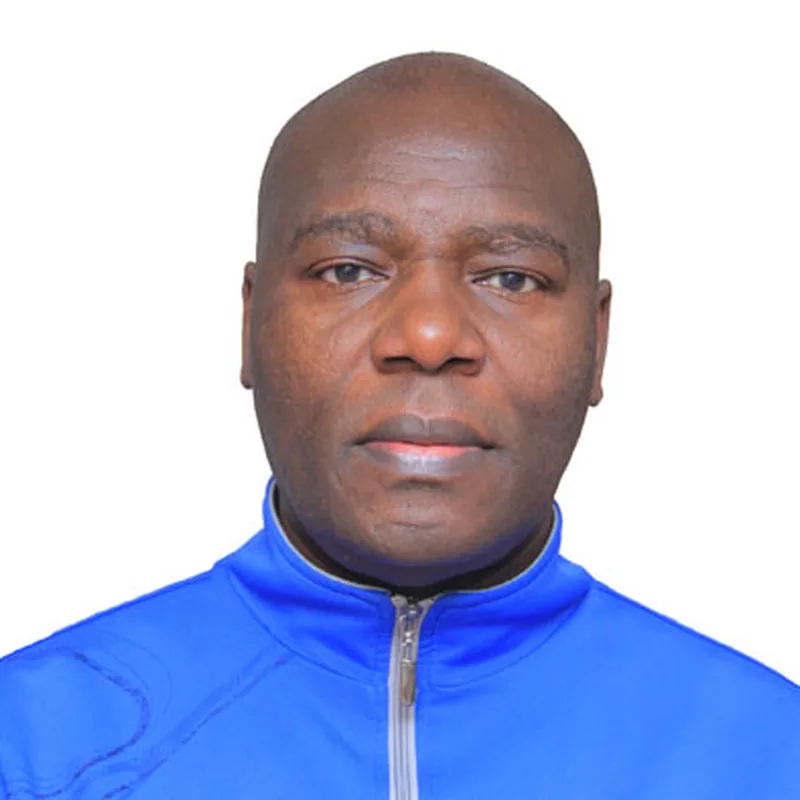
Caleb A is a highly experienced and accomplished Advance Level Chemistry / Physics educator with over 30 years of international teaching experience across the United States, Qatar, China, Kenya and Ethiopia. He is currently teaching Advance Level Chemistry at a leading international school in New York, where he specializes in helping students achieve top results in one of the most challenging high school science programs.
Caleb holds multiple advanced degrees, including a Master of Education and a Master of Science in Information Technology, and has previously served as Head of the Science Department at an international school in Qatar. Throughout his career, he has taught a wide range of curricula mainly A-Level, and IGCSE Chemistry and Physics, giving him a deep understanding of different exam systems and student needs.
Known for his clear explanations and structured approach, Caleb consistently helps students improve their understanding of complex concepts such as organic chemistry, energetics, and equilibrium. His students benefit from targeted exam preparation, data analysis skills, and problem-solving strategies that lead to measurable score improvements and increased confidence.
Caleb’s teaching style is student-centered and highly supportive. He adapts his lessons to suit individual learning styles, using real-world examples, guided practice, and exam-focused techniques to ensure progress in every session. He is passionate about helping students not only succeed academically but also develop a genuine interest in science.
20
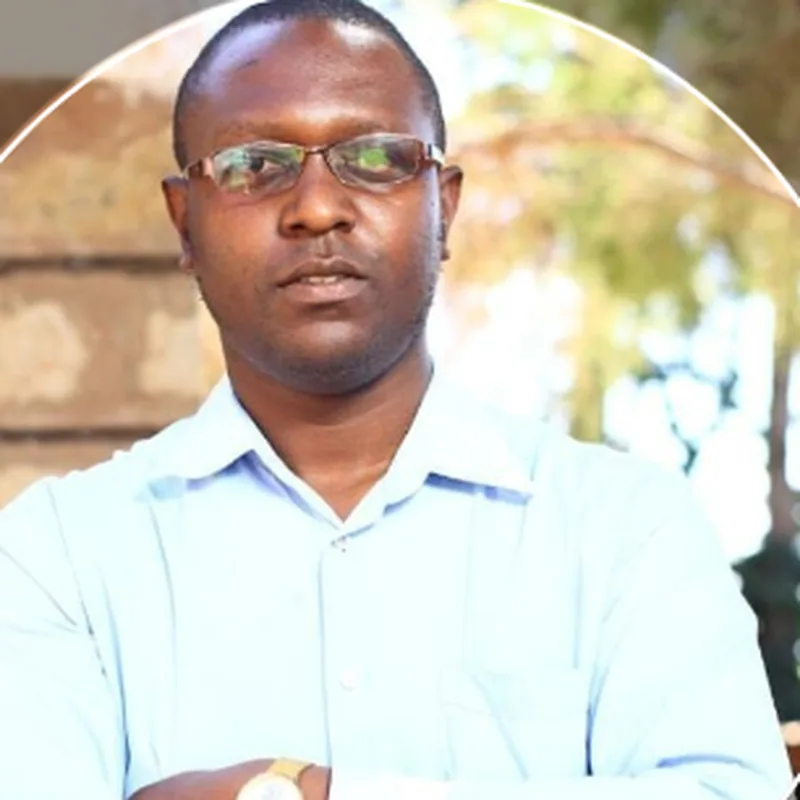
I'm an A-Level and GCSE tutor in Physics, Chemistry, Biology and Accounting, with many years of experience teaching students one-to-one on platforms including Varsity Tutors and Wyzant, and privately. I hold a degree in Management Information Systems and an MBA with a specialization in Project Management, and I'm currently pursuing a PhD in Information Systems Management. I also studied English Literature and History at an advanced level, achieving top marks, which helps me teach students to write clear, well-structured exam answers.
Over the years I've worked with students from beginners through to exam preparation, and I tailor each lesson to the specification and exam style they are working toward, whether that's AQA, Edexcel, OCR or another board. My approach is simple and personal. I explain difficult topics in plain language with everyday examples, such as using a car journey to teach velocity, acceleration and graphs, so students understand why the methods work and not just how to use them. I teach step-by-step methods for calculations and exam questions, with past-paper-style practice and time management. Every lesson is built around the student's needs and learning style, so they understand the material and enjoy learning it.

20
Daniel is a passionate, high-achieving tutor currently pursuing his Medical Degree at the University of Nicosia. He holds a Bachelor’s degree in Chemistry with honors from the prestigious American University of Beirut (AUB), where he built a strong foundation in the physical sciences, analytical reasoning, and academic research.
In recognition of his scientific potential, Daniel was awarded the URE 2023–2024 grant for his work in organic chemistry. He is also a Senior Research Assistant at Operation 12 at the University of California, San Diego (UCSD), where he contributes to groundbreaking research in psychology, exploring the intersections between cognition, behavior, and mental health.
Daniel’s academic excellence began early. He completed the International Baccalaureate (IB) Diploma Programme with a score of 41 out of 45, achieving perfect 7s in Higher Level Biology, Chemistry, and Business, and strong performance in his Standard Level subjects.
Daniel teaches Chemistry and Biology for the A-level and GCSE. he has helped students excel and achieve the highest marks, with most of his students scoring A* in the A-levels and Grades 8 and 9 in GCSE, with many of his students moving on to attending top ranked international schools.
With years of tutoring experience, Daniel has helped students across high school and university levels master difficult subjects, prepare for major exams, and build long-term academic confidence. His teaching style is clear, strategic, and empowering. He breaks down complex ideas into manageable steps, adapts his methods to suit each student's learning style, and always aims to make learning engaging, meaningful, and enjoyable.
Daniel believes that with the right support, every student is capable of excellence. He brings that belief into every session
10
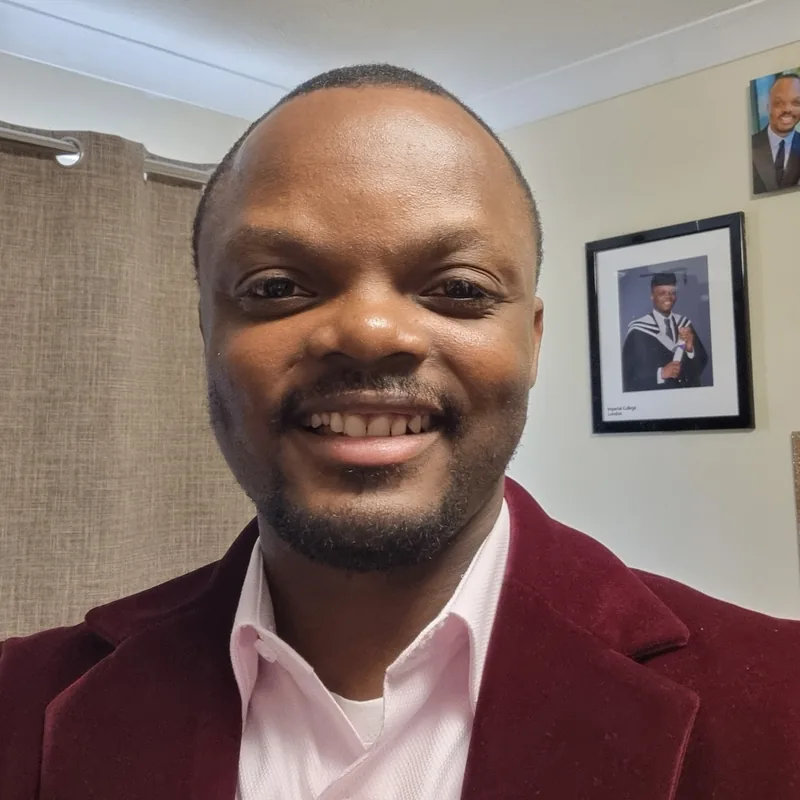
Teaching provides a unique opportunity to shape lives and influence young people towards a responsible future, hence, my passion for teaching. As one with a passion for Mathematics, Physics, Chemistry and Biology, I understand that many students face real challenges grasping the concepts of the subjects. Hence, teaching provides me the avenue to tackle this, while also making a contribution; giving back to the society and also challenging myself towards further growth and development. I have taught since my secondary school days; taking more than 800 students in total; at various levels (on a one-on-one basis, in groups and at mass teaching levels). I have also taught at various educational levels (secondary and tertiary) as well as to a diverse range of student ethnic backgrounds with a very high success rate in student comprehension evinced by their later performance. Having gained significant experience teaching this subject, I have a very broad understanding of what is expected of students writing the GCSEs and A-level exams. I have also prepared students for varying exams including the – 11+, 13+, 16+, and curricula - GCSE and A-levels (Edexcel, OCR, AQA), IB (SL and HL) and Scottish National with excellent results from students - most of my students achieving grades 8 and 9. My teaching success rate has been largely due to my deep and vast understanding of the subject matter, coupled with my calm, interesting and engaging manner of communication that makes even an average and uninterested student develop a desire for Maths and Science. I use diverse teaching-aids, web-resources etc. as necessary."
I hold a First Class honours degree in Chemical Engineering and a Masters degree in Advanced Chemical Engineering from the Imperial College of Science, Technology and Medicine. I am also a UK Qualified Teacher with more than 4000 hours teaching/tutoring experience over a period of 15+ years. This has provided me with diverse experience necessary for tutoring different students' backgrounds with evident successes in the exams. I am hoping to be of help and assistance to any student in need.

17
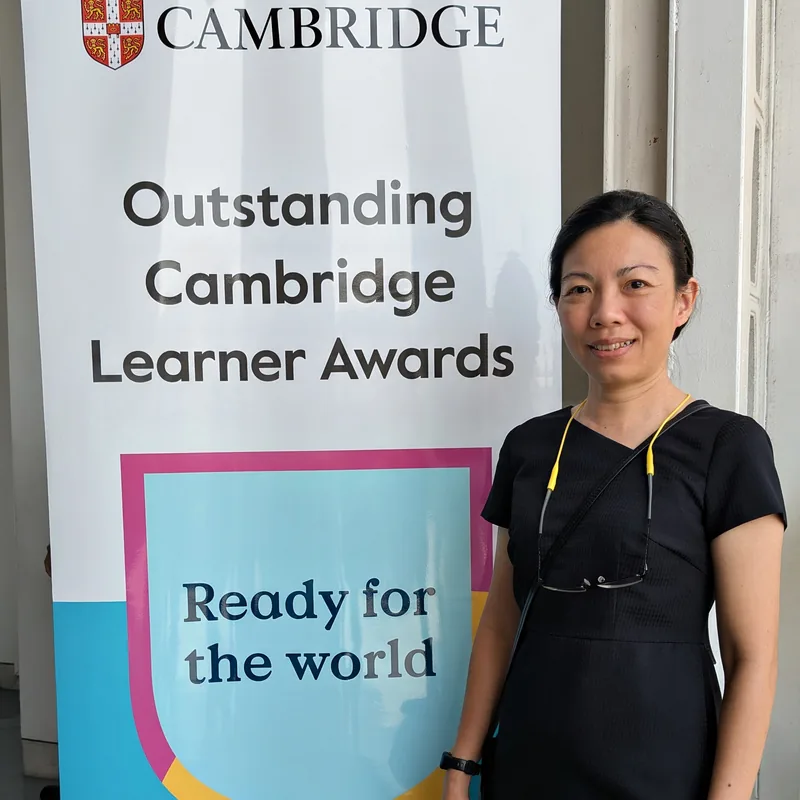
I am an accomplished educator, NERC/QUADRAT-funded PhD scientist, and Certified Senior Examiner specialising in Biology, Chemistry, Geography, Environmental Science/Management, and Earth Sciences across A-Level, IGCSE, and GCSE levels. I earned my PhD in Environmental Sciences with distinction, an MSc in Biodiversity and Conservation with a PGCE equivalent, and a BSc (Hons) in Geography and Bioscience supported by the Repsol Sinopec Excellence Scholarship from the University of Aberdeen. With over 15,000 hours of total instructional experience spanning top international schools, leading universities, and global online platforms, my career bridges elite academic research with highly effective 1:1 student mentoring.
My scientific research focuses on high-altitude tropical and montane ecosystem resilience, biogeochemistry, and geophysics, leading to peer-reviewed contributions in leading academic journals such as Geosciences, features in The Economist, and presentations at major climate summits such as COP 26 through COP 30. As an active Certified Examiner for major secondary specifications, I provide students with an insider understanding of marking schemes, structural assessment shifts, and syllabus nuances. Combined with multilingual fluency in English (C2), Spanish (C2), Polish (Native), Italian (B2), German (B1), and Portuguese (B1), I deliver an intellectually rigorous, globally contextualised learning experience that empowers students to excel.
Tutor Experience
Over the past several years, I have logged over 15,000 total instructional hours, including more than 14,000 hours of direct 1:1 online tutoring and specialised digital learning environments. My pedagogical scope covers secondary, pre-university, and undergraduate levels across Biology, Chemistry, Environmental Science, Physical and Human Geography, Geology, and Earth Sciences. I possess extensive experience with all major exam specifications, including AQA, Pearson Edexcel (UK & IAL), OCR (A & B), Cambridge International (CIE), WJEC/Eduqas, and CCEA.
My institutional background includes four years as an academic lecturer and reader across leading UK universities, including the University of Aberdeen and the University of Edinburgh, alongside teaching cycles in top-tier international school environments. In these roles, I have directed coursework, designed geological and ecological field expeditions, and mentored students through independent geographical investigations, lab reports, and Non-Exam Assessment (NEA) coursework.
This rigorous background drives consistent student performance: 80–85%+ of my A-Level and GCSE/IGCSE tutees achieve top grades (A/A* or Grade 8/9), while my university students achieve average grade improvements of 30–40%+. Whether preparing high schoolers for competitive university entry or guiding them through high-stakes modular exams, I tailor every session to ensure total syllabus mastery and exam confidence.
Teaching Approach
My teaching philosophy is built upon an innovative, empirical framework that synthesises advanced scientific inquiry, diagnostic assessment architecture, and metacognitive learning strategies. Designed to transform passive memorisation into active analytical mastery, my approach elevates student performance across four core pillars:
Diagnostic Micro-Assessment Architecture — To guarantee complete syllabus coverage, every unit concludes with a mandatory diagnostic topic test. Built around rigorous targeted questioning, this system systematically identifies and resolves micro-gaps in knowledge before they impact official examination performance.
Examiner-Grade Assessment Mechanics — Drawing directly on my role as a Certified Senior Examiner, I train students to interpret command terms, structure high-scoring responses, and decode complex mark schemes. I provide specialised coaching on critical exam mechanics, including mastering extended 6- and 9-mark analytical questions and navigating board-specific scoring criteria.
Intradisciplinary Scientific & Applied Research Integration — I bridge theoretical syllabus content with real-world scientific methodologies derived from active research in high-altitude tropical ecology, geophysics, and environmental management. This intradisciplinary model deepens conceptual understanding, strengthens analytical data-response essays, and prepares students for top-tier academic rigour.
Adaptive Metacognitive Mentorship — Every learning pathway is customised to the student's unique cognitive profile, integrating high-yield active recall and structured problem-solving with dedicated academic mentorship. By cultivating both conceptual clarity and strategic resilience under exam conditions, I help students reach their highest academic potential.
31
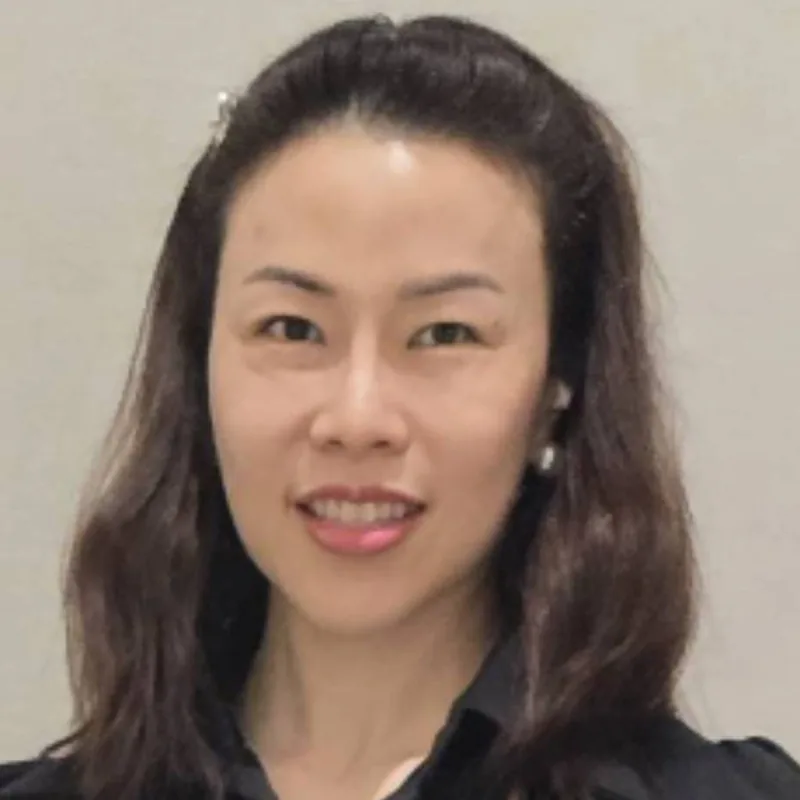
Lina graduated from the University of Wollongong with both a BSc and MSc in Chemistry, achieving a High Distinction average. She began her career in the pharmaceutical industry, gaining valuable real-world experience before moving into education.
Since 2004, Lina has dedicated her career to teaching Chemistry and has over 20 years of experience teaching students aged 12–18 across international school curricula. She is currently the Head of Science and Head of Chemistry at a Singapore international school, where she leads the Science department and oversees a programme that combines Cambridge and Singapore curricula.
Lina’s strongest areas of expertise are Cambridge IGCSE, Cambridge O Level, Cambridge AS Level, and Cambridge A Level Chemistry. Her extensive classroom and leadership experience gives her a deep understanding of the syllabus content, assessment objectives, examination requirements, and question-answering techniques needed for students to succeed in Cambridge examinations.
In addition to her extensive Cambridge experience, Lina is highly qualified and experienced in teaching Pearson Edexcel Chemistry and Singapore-Cambridge O Level Chemistry, as well as IB Diploma Chemistry (HL/SL) and AP Chemistry. Her experience across multiple international curricula allows her to adapt her teaching to different examination boards while maintaining a strong focus on the specific requirements of each syllabus.
Over more than two decades of teaching, Lina has developed an extensive collection of exam-focused resources, past-paper materials, practice questions, and revision strategies. She understands that success in Chemistry requires more than knowing the content—students must also learn how to apply concepts, interpret questions, structure answers, and respond according to the expectations of their examination board.
Lina’s teaching philosophy is centred on helping students understand the “why behind the why” rather than relying on memorisation alone. Lessons typically begin by identifying gaps in prior knowledge, followed by clear explanations and modelling, guided practice, and independent problem-solving. Students are also given targeted practice to reinforce their learning between lessons.
Because Chemistry can be highly abstract, Lina uses visual explanations, analogies, worked examples, and real-world applications to make challenging concepts easier to understand. She creates a supportive learning environment where students feel comfortable asking questions, making mistakes, and developing confidence in their Chemistry abilities.
Whether a student is preparing for Cambridge IGCSE, Cambridge O Level, AS or A Level Chemistry, following the Singapore Chemistry curriculum, or studying Pearson Edexcel Chemistry, Lina combines deep subject knowledge, over two decades of international-school teaching experience, current academic leadership, and exam-focused teaching to help students reach their full potential.
Outside of teaching, Lina enjoys travelling and staying active through outdoor activities such as hiking, cycling, and jogging.

22
I am Mr. Majid S, Chemistry Teacher at the German International School Beirut, with 30 years of experience teaching Chemistry at the secondary level (Grades 10, 11 and 12). I have a great passion for Chemistry and for helping students develop strong scientific understanding, problem-solving skills, and confidence.
I teach and support students preparing for GCSE, IGCSE and A-Level Chemistry, with particular emphasis on developing the knowledge, analytical skills, mathematical techniques, and examination strategies required for success. I also have two years of direct experience teaching A-Level students.
My extensive experience teaching international Chemistry curricula has given me a strong understanding of the level and style of questions students encounter in external examinations. A-Level and IB Chemistry share considerable common ground in both content and problem-solving skills, and throughout my teaching I regularly use carefully selected questions and problems from previous A-Level examinations because of their relevance, quality, and similarity to the skills required in other rigorous international Chemistry programmes.
This experience allows me to help A-Level students not only understand Chemistry but also learn how to approach examination questions effectively. I can support students with challenging calculations, structured questions, data analysis, practical and experimental concepts, interpretation of graphs and results, organic reaction pathways, and the application of chemical principles to unfamiliar situations.
I am also passionate about computer programming and the use of technology in education, and I integrate technology and interactive resources into my teaching whenever they can make difficult concepts clearer and learning more engaging.
My approach is based on identifying each student's difficulties, strengthening any weak foundations, and then progressively developing the skills needed to tackle more demanding examination questions with confidence. Past-paper practice is an important part of this process, helping students become familiar with question styles, command words, time management, and the level of precision expected in their answers.
Whether a student needs help understanding a particular topic, strengthening calculation and problem-solving skills, revising the full course, or preparing intensively for upcoming GCSE, IGCSE or A-Level examinations, I am ready to provide structured and personalised support.
I strongly believe that Chemistry can be both understandable and enjoyable. When concepts are taught clearly and students are shown how ideas connect, their confidence increases, their examination performance improves, and they begin to appreciate Chemistry as a fascinating scientific discipline.
I look forward to helping GCSE, IGCSE and A-Level Chemistry students develop their knowledge, improve their examination technique, and work towards achieving their full potential through engaging and interactive learning sessions.

36
Mukul has tutored more than a thousand students (both Online and Classroom teaching in person) all over the world. He has worked as an Academic Tutor with Revision Village and Crimson Education, supporting school students for IB, A Levels, IGCSE and AP exams. Previously, he held Academic Head and Academic Director positions at Tutela Education. He had also gained experience working as a Math Instructor at The Princeton Review where he worked on improving test scores by inculcating time management skills and test taking strategies.
Mukul brings a proven track record of academic excellence, student success, and personalized instruction. With more than nine years of experience teaching Mathematics and Chemistry across international curricula and mentored students exclusively from Auckland, Berlin, Brisbane, Calgary, Chicago, Dubai, Hanoi, Jakarta, London, Los Angeles, Miami, Moscow, New Delhi, New Jersey, Perth, San Francisco, Seattle, Shanghai, Singapore, Sofia, Tashkent, Tokyo, Toronto, Vancouver, and Zurich. He has supported students across IB, AP, A-levels, AQA, Edexcel, OCR, American, British, European Baccalaureate, IGCSE, Canadian, and NCEA curricula. These experiences have enabled him to develop an adaptable teaching style for his students and help them achieve their academic goals. He likes to take up challenges for short term assignments to prepare struggling students right before the exams. His students have been admitted to top undergraduate programmes at Cambridge, Stanford, Princeton, Cornell, Duke, Brown and many more. Mukul holds an Engineering degree in Biotechnology and worked as a Junior Scientist at a Bioelectronics startup after completing his Bachelor's. As a student, he secured 99.05 percentile on the JEE Mains exam in 2013, competing with over 1.1 million applicants. Hobbies - Playing Cricket and Football.
In class, he is always thinking from your level, putting himself in your shoes and giving you the best opinions and strategies to apply. He tries to break the ice between the student and teacher asap, so he can understand their concerns and help them in an efficient way. He will constantly push you to your limits, so that you achieve as per your capability. His lessons are full of laughter and enthusiasm. He will make sure that you learn Math in the simplest manner. He believes in his students and gets things done via them, so that his students realise their potential. He knows that every student has a unique learning pattern and never backs away from giving extra time beyond the session timings to make sure the student understands the concept entirely. He strives to see the smile on his students' faces after watching them get over their weakness. He shares a great camaraderie with his students, and makes sure they are not trying to mug up the concepts rather understand them and finally derive them, which is the only way they get to know how to apply them, where to apply them.
46
I'm Dr. Orn I — Yale PhD biochemist, Associate Professor of Biochemistry at Mahidol University, and a private chemistry tutor with 12+ years of experience guiding international school students through iGCSE and A-Level Chemistry from across different boards. Past students have been admitted to Stanford, Cambridge, Pomona, and Vanderbilt. I work with one student at a time, build each lesson around their specific exam board and school mark scheme, and send a written recap after every session. Online via Zoom / MS Teams from Thailand.

18
Samuel has three masters degrees - MSc Energy and Sustainable Management, MSc Advanced Chemical Engineering and LLM International Business and Commercial Law. Samuel's first degree was in BSc Petrochemical Engineering (First Class). Samuel is also a Qualified Teacher in the UK and has been teaching for over 10 years. Samuel also has several years of examining experience, and hence highly specialised and skilled in tutoring students. Samuel had A in mathematics, A in chemistry, A Biology and A in Physics. Samuel has been an A Level Maths and Further Mathematics Examiner since 2024. I tutor A Level and Further Mathematics as well as Chemistry, Physics and Biology.
15
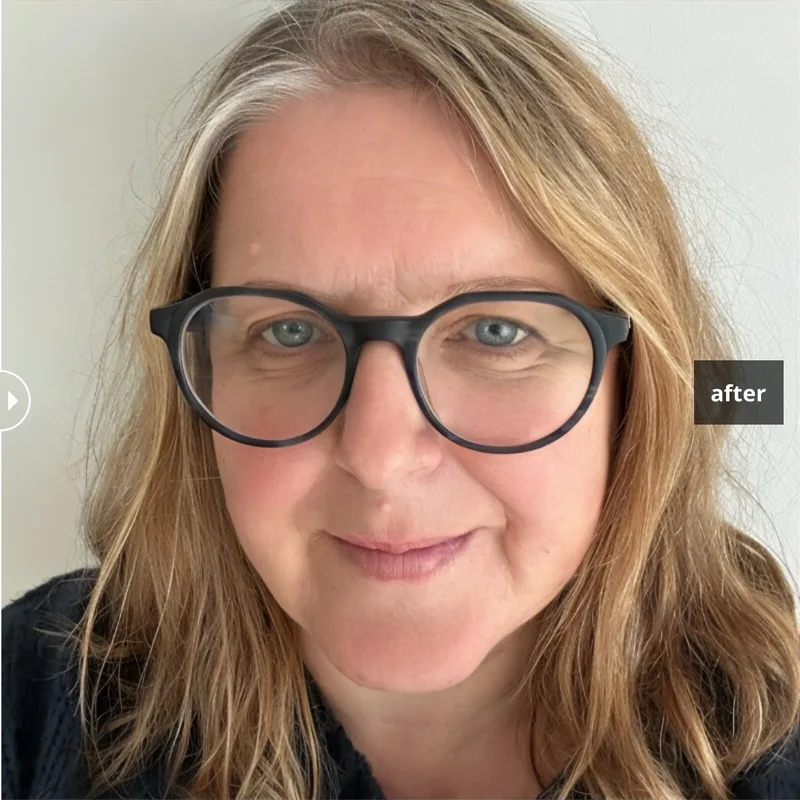
Over the last twenty years I have gained significant classroom and management experience at several State, Grammar and Independent Schools. I have been out of the classroom environment recently but continue to keep up to date with Education Policy and support students away from the school environment via home tutoring.
I am an experienced teacher with a passion towards my subject and have a great desire that all pupils across the ability range are inspired by Science; there is no greater job satisfaction for me than when that inspiration leads to students excelling in examinations or pursuing a career in medicine. As Head of Biology at Kingston Grammar School I managed a team of four experienced teachers- as well as being actively involved in the overall management of the Science department.
I was successful in improving both A-Level and GCSE results year on year. I was responsible for co-ordinating Community Service placements for students in the wider community. I also worked closely with Brunel University with their PGCE programme and was part of a team inspected by OFSTED and I was awarded as ‘outstanding’ in my mentoring work with PGCE students at Kingston Grammar.
Whilst my teaching specialism is Biology I have also taught Chemistry and Physics at key stage three, four and A Level. I have a broad knowledge of the science curriculum and how it fits in to schools academic policies and wider educational policies. I also have a good understanding of International Baccalaureate programs and Vocational courses. I have written schemes of work and working policies for a department as well as full risk assessments for practical work. I also have experience of intake of student new to a school be it a state school or an 11+ or Common Entrance at 13+. I have administered 11+ and 13+ examinations as well as being part of a team of interviewers assessing a student’s suitability for the school.

12
I’m Taiwo, a tutor with ten years of teaching and tutoring experience and a B.Sc. in Electronic and Electrical Engineering from Obafemi Awolowo University. I teach A-level, GCSE and IGCSE students, bringing together subject knowledge, classroom experience and a patient, practical approach to learning.
My subjects include Mathematics, Further Mathematics, Physics, Chemistry, Biology, English Language and Computer Science. My current GCSE teaching includes AQA Mathematics at Foundation and Higher levels and AQA English Language. My engineering background strengthens my teaching of Mathematics and Physics, while my professional software development experience allows me to connect computing concepts with practical applications.
I plan lessons around what each student needs. Some need to rebuild foundations; others understand the content but struggle to apply it in unfamiliar exam questions. I identify those gaps, explain ideas clearly and guide students towards solving problems independently. In Mathematics, that means understanding why a method works and recognising when to use it. In Science, it means connecting concepts, calculations and experimental evidence. In English, it means moving beyond identifying techniques to developing thoughtful analysis supported by precise examples.
Students can expect structured lessons, personalised homework and detailed feedback. I use past papers and mark schemes to help them understand what questions demand, improve the clarity of their answers and develop effective revision habits. I track difficulties across lessons so that we revisit what needs attention rather than simply move through topics.
I currently work with international learners, including students in the UK and Hong Kong, and understand the importance of adapting explanations to different educational and language backgrounds. I want students to feel comfortable asking questions, willing to attempt challenging work and able to recognise their own progress. My aim is to build secure understanding, greater independence and confident exam preparation.

41
I have overall 10+ years of experience teaching various streams, ranging from IGCSE and A level. I teach both Cambridge and Edexcel A level Mathematics. I have thousands of hours of teaching A level and SAT students across the globe with amazing students and parents' feedback. Other than teaching, I use mathematical equations to sketch faces, shapes on geogebra which helps students to relate Math with Art.
The tutors you see here are just a selection from our team of hundreds of tutors, please contact our Learning Advisors to discuss tutoring options
Why A-Level Chemistry needs the right tutor
What makes A-Level Chemistry hard
A-Levels move faster and go deeper than anything students have done before, and they are studied alongside two or three other subjects at the same level. Classes are taught to the middle of the room, so gaps are easy to carry forward unnoticed until the exam.
- A sharp step up in difficulty from GCSE
- Marks decided by technique, not recall
- Grades that determine university options
How tutoring changes the outcome
One-to-one tutoring targets the two things a classroom cannot: exam technique and the specific topics a student keeps getting wrong. A tutor marks work the way an examiner would, shows where the marks went, and then drills those areas until they hold. Confidence follows from that, not the other way round.
- Exam technique built on real past papers
- Targeted work on areas of weakness
- Confidence going into the exam
What you'll learn in A-Level Chemistry tutoring
Core skills developed
Every A-Level Chemistry specification marks a similar progression: knowing the chemistry, applying it in theoretical and practical contexts, and analysing and evaluating information and experimental evidence. On AQA, OCR, Edexcel and WJEC and Eduqas, application is the largest objective at roughly 40–45% of the marks, and at least 20% of the marks need maths at Level 2 or above. Cambridge and Edexcel International instead reserve 20% of the marks for experimental skills, examined in their own practical papers, and OxfordAQA adds a fourth objective for selecting, describing and evaluating scientific procedures. We work through past-paper questions objective by objective, so you can see which skill is costing you marks rather than just seeing a lower total.
- Amount of substance: moles, concentrations, yields and titration calculations
- Organic mechanisms and multi-step synthesis routes
- Explaining bonding, intermolecular forces and Periodic Table trends as a linked argument
- Combining mass, infrared and NMR spectra to identify an unknown compound
- Practical skills: planning, recording results, uncertainties and evaluating methods
How are students assessed
Chemistry is assessed by written exams, with no coursework counting towards the grade. On AQA, OCR, Edexcel and Eduqas, teachers assess practical competence across the required practical activities and award a separate Practical Endorsement, while the written papers test practical understanding. Cambridge sets a practical exam and a written planning, analysis and evaluation paper, WJEC in Wales sets a practical examination unit worth 10% of the A level, and Edexcel International and OxfordAQA examine practical skills in written papers. Cambridge, Edexcel International, OxfordAQA and WJEC let you sit the AS or first-year units first and carry the result towards the full A-Level.
- Multiple-choice and short structured questions: drilled against real past papers for speed and precision
- Calculations and data questions: setting out working so that marks are kept even when an earlier figure is wrong
- Extended responses and practical questions: rewritten until every point is linked and an examiner could award full marks
What A-Level Chemistry topics do we cover?
Five units. Units 1 and 2 (1 hour 30 minutes, 70 marks each, 20% of the A-level each) make up the International AS. Units 3 and 4 (1 hour 30 minutes, 80 marks, 21% each) and Unit 5 (1 hour 25 minutes, 60 marks, 18%) complete the International A-level. Exams run in January and May/June. You can sit the AS units in the first year or take all five together, and any unit can be resat with the best result counting.
International AS
- Unit 1: Inorganic 1 and Physical 1 (atomic structure, amount of substance, bonding, energetics, redox, periodicity, Group 2 and Group 7(17))
- Unit 2: Organic 1 and Physical 1 (kinetics, equilibria and the first six organic sections, from introduction to organic chemistry to organic analysis)
International A2
- Unit 3: Inorganic 2 and Physical 2 (thermodynamics, electrode potentials and electrochemical cells, acids and bases, Period 3, transition metals and reactions of ions in aqueous solution)
- Unit 4: Organic 2 and Physical 2 (rate equations, Kp and A2 organic chemistry, including NMR spectroscopy and chromatography)
- Unit 5: Practical and synoptic (all content: 30 marks on practical work and 30 multiple-choice marks)
OxfordAQA covers the same core topics as AQA's UK A-level but examines them in five modular units, and the AS is worth 40% of the A-level rather than 50%. It also has a fourth assessment objective, the ability to select, describe and evaluate scientific procedures, worth about 17% of the A-level, and its ten required practicals are examined in the written papers rather than through an endorsement. Sessions on this board prepare each unit for its own exam series and practise procedure questions on every required practical.
WJEC (Wales) and Eduqas (England) offer separate A level Chemistry qualifications with different structures. We match tutors to the board on your exam entry.
WJEC · Wales
Five units sat in the summer series: two AS units and three A2 units. Units 1 and 2 are 1 hour 30 minutes and 20% of the A level each, Units 3 and 4 are 1 hour 45 minutes and 25% each, and Unit 5 is a practical examination worth 10%.
- AS Unit 1: The Language of Chemistry, Structure of Matter and Simple Reactions
- AS Unit 2: Energy, Rate and Chemistry of Carbon Compounds
- A2 Unit 3: Physical and Inorganic Chemistry
- A2 Unit 4: Organic Chemistry and Analysis
- A2 Unit 5: Practical examination
Eduqas · England
Three written components sat in May/June at the end of the course. Components 1 and 2 are 2 hours 30 minutes, 120 marks and 40% each, and Component 3 is 1 hour 15 minutes, 60 marks and 20%. Practical competence is assessed through a separate Practical Endorsement that does not contribute to the grade.
- Component 1: Physical and Inorganic Chemistry
- Component 2: Organic Chemistry and Analysis
- Component 3: Chemistry in Practice
WJEC's Unit 5 is sat in the spring term of the second year: an Experimental Task of up to 3 hours and a 1-hour Practical Methods and Analysis Task, both marked by WJEC, with the main themes shared with centres early in that term. On Eduqas, the Core Ideas, Principles and Concepts content is examined in both Component 1 and Component 2 as well as in Component 3, so the foundations are tested in every paper. Sessions on this board prepare the Unit 5 tasks for WJEC students and keep core content revised throughout for Eduqas students.
Six units, each examined separately in January, June or October rather than all at the end. Units 1 and 2 (1 hour 30 minutes, 80 marks each) and Unit 3: Practical Skills in Chemistry I (1 hour 20 minutes, 50 marks) make up the International AS. Units 4 and 5 (1 hour 45 minutes, 90 marks each) and Unit 6: Practical Skills in Chemistry II (1 hour 20 minutes, 50 marks) complete the IAL. In the full IAL, Units 1, 2, 4 and 5 are each worth 20% and Units 3 and 6 are each worth 10%. Any unit can be resat.
Unit 1: Structure, Bonding and Introduction to Organic Chemistry (IAS)
- Topic 1: Formulae, Equations and Amount of Substance
- Topic 2: Atomic Structure and the Periodic Table
- Topic 3: Bonding and Structure
- Topic 4: Introductory Organic Chemistry and Alkanes
- Topic 5: Alkenes
Unit 2: Energetics, Group Chemistry, Halogenoalkanes and Alcohols (IAS)
- Topic 6: Energetics
- Topic 7: Intermolecular Forces
- Topic 8: Redox Chemistry and Groups 1, 2 and 7
- Topic 9: Introduction to Kinetics and Equilibria
- Topic 10: Organic Chemistry: Halogenoalkanes, Alcohols and Spectra
Unit 4: Rates, Equilibria and Further Organic Chemistry (IA2)
- Topic 11: Kinetics
- Topic 12: Entropy and Energetics
- Topic 13: Chemical Equilibria
- Topic 14: Acid-base Equilibria
- Topic 15: Organic Chemistry: Carbonyls, Carboxylic Acids and Chirality
Unit 5: Transition Metals and Organic Nitrogen Chemistry (IA2)
- Topic 16: Redox Equilibria
- Topic 17: Transition Metals and their Chemistry
- Topic 18: Organic Chemistry – Arenes
- Topic 19: Organic Nitrogen Compounds: Amines, Amides, Amino Acids and Proteins
- Topic 20: Organic Synthesis
Practical skills are examined in Units 3 and 6 as written practical papers, which can apply core practical techniques to new situations, rather than through a teacher-assessed endorsement. The A* also depends on the second year specifically: you need an A overall and at least 90% of the uniform marks across the IA2 units combined. Sessions on this board prepare each unit for its own exam series and give the practical skills papers dedicated time.
Nineteen topics examined in three papers, all sat in May/June of the same year. Paper 1: Advanced Inorganic and Physical Chemistry and Paper 2: Advanced Organic and Physical Chemistry are each 1 hour 45 minutes, 90 marks and 30% of the qualification. Paper 3: General and Practical Principles in Chemistry is 2 hours 30 minutes, 120 marks and 40%, and can draw on any topic. Students carry out sixteen core practicals, and the Science Practical Endorsement is reported separately.
- Topic 1: Atomic Structure and the Periodic Table
- Topic 2: Bonding and Structure
- Topic 3: Redox I
- Topic 4: Inorganic Chemistry and the Periodic Table
- Topic 5: Formulae, Equations and Amounts of Substance
- Topic 6: Organic Chemistry I
- Topic 7: Modern Analytical Techniques I
- Topic 8: Energetics I
- Topic 9: Kinetics I
- Topic 10: Equilibrium I
- Topic 11: Equilibrium II
- Topic 12: Acid-base Equilibria
- Topic 13: Energetics II
- Topic 14: Redox II
- Topic 15: Transition Metals
- Topic 16: Kinetics II
- Topic 17: Organic Chemistry II
- Topic 18: Organic Chemistry III
- Topic 19: Modern Analytical Techniques II
Paper 3 carries the largest weighting of any paper, at 40%, and is synoptic: its questions can link two or more topics and test the theory behind the sixteen core practicals. Topics 2, 3 and 5 are examined on both Paper 1 and Paper 2. Sessions on this board build towards Paper 3 from the start, linking each core practical to the theory it tests.
OCR runs two separate A Levels in Chemistry, each with three written papers sat in the same summer series and a Practical Endorsement, based on a minimum of 12 assessed practical activities, reported separately. Chemistry A sets Periodic table, elements and physical chemistry (01) and Synthesis and analytical techniques (02), each 2 hours 15 minutes, 100 marks and 37% of the A Level, and Unified chemistry (03), 1 hour 30 minutes, 70 marks and 26%. Chemistry B (Salters) sets Fundamentals of chemistry (01), 2 hours 15 minutes, 110 marks, 41%; Scientific literacy in chemistry (02), 2 hours 15 minutes, 100 marks, 37%; and Practical skills in chemistry (03), 1 hour 30 minutes, 60 marks, 22%. We match tutors to the specification code on your exam entry.
Chemistry A · H432
- Module 1: Development of practical skills in chemistry
- Module 2: Foundations in chemistry
- Module 3: Periodic table and energy
- Module 4: Core organic chemistry
- Module 5: Physical chemistry and transition elements
- Module 6: Organic chemistry and analysis
Chemistry B (Salters) · H433
- Elements of life
- Developing fuels
- Elements from the sea
- The ozone story
- What’s in a medicine?
- The chemical industry
- Polymers and life
- Oceans
- Developing metals
- Colour by design
Chemistry B teaches the content through ten storylines, and its Scientific literacy in chemistry paper includes a pre-release Advance Notice article worth 20 to 25 marks, so you answer questions on a text you have studied in advance. On Chemistry A, Papers 01 and 02 each open with a 15-mark multiple-choice section and Unified chemistry draws on all six modules. Sessions on this board follow the module or storyline order of your specification and, for Chemistry B, work through the Advance Notice article before the exam.
Three areas of content, physical, inorganic and organic chemistry, examined in three papers sat together at the end of the course. Paper 1 (2 hours, 105 marks, 35% of the A-level) covers physical and inorganic chemistry. Paper 2 (2 hours, 105 marks, 35%) covers physical and organic chemistry. Paper 3 (2 hours, 90 marks, 30%) can test any content and any practical skill. The Practical Endorsement is assessed by teachers and reported separately from the grade. For UK overseas centres only, AQA is withdrawing this A-level: September 2026 is the last first teaching and summer 2028 the last first sitting, with a final resit in summer 2029.
Physical chemistry
- 3.1.1 Atomic structure
- 3.1.2 Amount of substance
- 3.1.3 Bonding
- 3.1.4 Energetics
- 3.1.5 Kinetics
- 3.1.6 Chemical equilibria, Le Chatelier’s principle and Kc
- 3.1.7 Oxidation, reduction and redox equations
- 3.1.8 Thermodynamics (A-level only)
- 3.1.9 Rate equations (A-level only)
- 3.1.10 Equilibrium constant Kp for homogeneous systems (A-level only)
- 3.1.11 Electrode potentials and electrochemical cells (A-level only)
- 3.1.12 Acids and bases (A-level only)
Inorganic chemistry
- 3.2.1 Periodicity
- 3.2.2 Group 2, the alkaline earth metals
- 3.2.3 Group 7(17), the halogens
- 3.2.4 Properties of Period 3 elements and their oxides (A-level only)
- 3.2.5 Transition metals (A-level only)
- 3.2.6 Reactions of ions in aqueous solution (A-level only)
Organic chemistry
- 3.3.1 Introduction to organic chemistry
- 3.3.2 Alkanes
- 3.3.3 Halogenoalkanes
- 3.3.4 Alkenes
- 3.3.5 Alcohols
- 3.3.6 Organic analysis
- 3.3.7 Optical isomerism (A-level only)
- 3.3.8 Aldehydes and ketones (A-level only)
- 3.3.9 Carboxylic acids and derivatives (A-level only)
- 3.3.10 Aromatic chemistry (A-level only)
- 3.3.11 Amines (A-level only)
- 3.3.12 Polymers (A-level only)
- 3.3.13 Amino acids, proteins and DNA (A-level only)
- 3.3.14 Organic synthesis (A-level only)
- 3.3.15 Nuclear magnetic resonance spectroscopy (A-level only)
- 3.3.16 Chromatography (A-level only)
AQA's Paper 3 is built differently from the other two: 40 marks on practical techniques and data analysis, 20 marks testing across the specification and 30 multiple-choice marks. Students also carry out 12 required practicals, and Paper 3 tests the techniques behind them. Physical chemistry appears on both Papers 1 and 2, so it is examined alongside both inorganic and organic content. Sessions on this board give Paper 3 its own preparation, working through the required practicals and multiple-choice questions to time.
Thirty-seven topics. AS Level candidates study Topics 1 to 22 and sit Papers 1, 2 and 3. Full A Level candidates study all thirty-seven and sit all five papers, with AS content assumed knowledge in Paper 4. Paper 1 is 40 multiple-choice questions and Paper 2 is AS structured questions (60 marks), each 1 hour 15 minutes. Paper 3, Advanced Practical Skills, is a 2-hour practical exam. Paper 4 is A Level structured questions (2 hours, 100 marks, 38.5% of the A Level) and Paper 5, Planning, Analysis and Evaluation, is a 1 hour 15 minute written paper. You can sit the AS first and carry the result forward, or take all five papers in one series. Exams run in June and November, with a March series in India.
AS Level · Topics 1 to 22
- 1 Atomic structure
- 2 Atoms, molecules and stoichiometry
- 3 Chemical bonding
- 4 States of matter
- 5 Chemical energetics
- 6 Electrochemistry
- 7 Equilibria
- 8 Reaction kinetics
- 9 The Periodic Table: chemical periodicity
- 10 Group 2
- 11 Group 17
- 12 Nitrogen and sulfur
- 13 An introduction to AS Level organic chemistry
- 14 Hydrocarbons
- 15 Halogen compounds
- 16 Hydroxy compounds
- 17 Carbonyl compounds
- 18 Carboxylic acids and derivatives
- 19 Nitrogen compounds
- 20 Polymerisation
- 21 Organic synthesis
- 22 Analytical techniques
A Level · Topics 23 to 37
- 23 Chemical energetics
- 24 Electrochemistry
- 25 Equilibria
- 26 Reaction kinetics
- 27 Group 2
- 28 Chemistry of transition elements
- 29 An introduction to A Level organic chemistry
- 30 Hydrocarbons
- 31 Halogen compounds
- 32 Hydroxy compounds
- 33 Carboxylic acids and derivatives
- 34 Nitrogen compounds
- 35 Polymerisation
- 36 Organic synthesis
- 37 Analytical techniques
Cambridge examines practical skills directly: Paper 3 is a hands-on practical exam, and Paper 5 asks you to plan an experiment and analyse and evaluate data whose context may sit outside the syllabus. Many A Level topics revisit an AS topic of the same name at greater depth, so weak AS foundations show up again in Paper 4. Sessions on this board practise Paper 3 and Paper 5 skills alongside the theory. The syllabus for 2028 to 2030 makes no significant changes that affect teaching.
Ready to start?
Tell us the subject, exam board and target grade. A Learning Advisor reviews it the same day.
Why parents trust us
4.9/5 from 312 reviews · used by students at 500+ schools


FAQs
We have answers to your most frequently asked questions. Anything not answered here, please reach out to our team.
A-Level Chemistry with an academic tutor costs from $60 USD (£45) per hour, and packages save 5–15%, handy for steady work on calculations and mechanisms. Pay as you go is invoiced after each lesson, with no lock-in contracts. Professional tutors (qualified teachers and examiners) cost from $85 USD (£64) per hour. See pricing.
Late cancellations and no-shows are charged at half the lesson fee. That applies if you cancel less than one hour before the start time, or don't turn up. You can still change a session time whenever you need to, as long as you give your tutor notice.
Our academic tutors achieved an A* or A in A-Level Chemistry, and our professional tutors are qualified teachers or examiners with 5+ years' experience. We accept only the top 5% of applicants. Your tutor is matched to your board and specification, whether that is OCR Chemistry B (Salters) with its advance notice article or Cambridge's practical and planning papers. Find out more about our tutors and how we select tutors.
Lessons are one-to-one and online, with a tutor matched to A-Level Chemistry, your exam board and your target grade. Each session tackles your weakest topics with past paper questions from your board, written in the precise language mark schemes reward. Typical work includes setting out calculations so marks survive an early slip, drawing mechanisms accurately and linking each required or core practical to the theory it tests. See how it works or start with the student application.
Yes, it is a big step up from GCSE. The course spans physical, inorganic and organic chemistry, and exam questions mix them, so one question can need bonding, redox and equilibrium ideas together. Precision is unforgiving: a nearly right definition, a misplaced curly arrow or a missing unit loses the mark. Multi-step calculations on moles, pH and enthalpy, spectroscopy problems and practical questions on experiments done months earlier are where most students drop marks. Our online A-Level tutoring targets each of these.
In summer 2026, 9.4% of UK A-Level Chemistry entries achieved an A*, and 32.3% achieved A* or A (JCQ), from 65,541 entries. An A* depends on precision everywhere: definitions that hit the key point, calculations with clear working, units and sensible significant figures, organic mechanisms with every curly arrow in the right place, and extended answers that link ideas into a chain of reasoning instead of listing facts.
Grade boundaries are set after each exam series and change every year. In June 2026, AQA's A* boundary for A-Level Chemistry was 255 out of 300 (85%), and OCR's for Chemistry A was 234 out of 270 (87%). Cambridge's June 2026 A* threshold for 9701 was 209 out of 260 (80%) for one standard paper combination. On Edexcel International, an A* needs an overall A plus at least 90% of the uniform marks across the IA2 units. Sources: AQA, OCR, Cambridge and Pearson International.
There is no coursework, but the UK boards include a Practical Endorsement. Teachers assess your practical skills during the course, and it is reported separately as Pass or Not Classified, without counting towards the grade. AQA students carry out 12 required practicals and Pearson Edexcel students 16 core practicals, and the written papers test the theory behind them. Cambridge instead examines practical work directly, with a 2-hour practical exam (Paper 3) and a 1 hour 15 minute planning, analysis and evaluation paper (Paper 5). See the Pearson Edexcel specification.
A-Level Chemistry is assessed by written exams, with no coursework counting towards the grade. AQA sets three two-hour papers at the end of the course: Papers 1 and 2 (105 marks, 35% each) and Paper 3 (90 marks, 30%). Pearson Edexcel sets two 1 hour 45 minute papers worth 30% each and a 2 hour 30 minute synoptic paper worth 40%. The biggest difference is Cambridge 9701, where you can take the AS first, the papers include a 2-hour practical exam, and the A Level structured paper alone is worth 38.5%. See the AQA specification.
All A-Level subjects
Ready to find your A-Level Chemistry tutor?
We will findf you a tutor in 24 hours and if you are not happy after the first session, we will give you a full refund and find you another tutor for no extra charge.
Resources for A Level Students
Free content to help you become a a master, more informed A Levels student


