


How It Works
We keep things as simple as possible. Our objective is to make finding a tutor convenient, efficient and effective.
Fill out an online form
Complete an application online which will be received by one of our dedicated Learning Advisors
Get matched with a tutor
Our experienced Learning Advisor will review your application, and match you with the most appropriate tutor based on your application
Tutor makes contact
Once we confirm with the tutor, the tutor will make contact to organise your first session.
Have your first lesson
Our tutors will work around your schedule to organise a session whenever you would like. Only pay for tutoring you have completed.
Choose between top performing students or qualified A-Level teachers
Either way, we use our bespoke matching process to find you a tutor based on your preferences, exam board and location.
Academic Tutors
from $60 USD/hr
Top performing graduates who achieved A*/A grades in the subject they teach.
- We accept only the top 5% of tutor applicants.
- Each tutor is chosen for their academic results, teaching ability, and connection with students.
Relatable role model: work with a tutor who is similar in age and can be a peer
Affordability: academic tutors are more cost-effective than professional tutors
First-hand experience: they sat these papers recently and know what worked
Professional Tutors
from $85 USD/hr
Current or past qualified teachers and examiners with 5+ years professional teaching experience.
- We only select highly experienced, qualified A-Level teachers.
- Every teacher is assessed on their teaching expertise, subject knowledge, and ability to engage students.
Quality assurance: trained and accredited teaching qualifications
Guaranteed track record: years of experience helping students succeed
Subject expertise: deep understanding of content and exam board requirements
Due to our international operations we quote our prices in USD. Pound amounts are an indicative conversion and you will be invoiced in USD.
Academic Tutors
from £47 GBP/hr
Top performing graduates who achieved A*/A grades in the subject they teach.
Relatable role model: work with a tutor who is similar in age and can be a peer
Affordability: academic tutors are more cost-effective than professional tutors
First-hand experience: they sat these papers recently and know what worked
Professional Tutors
from £67 GBP/hr
Current or past qualified teachers and examiners with 5+ years professional teaching experience.
Quality assurance: trained and accredited teaching qualifications
Guaranteed track record: years of experience helping students succeed
Subject expertise: deep understanding of content and exam board requirements
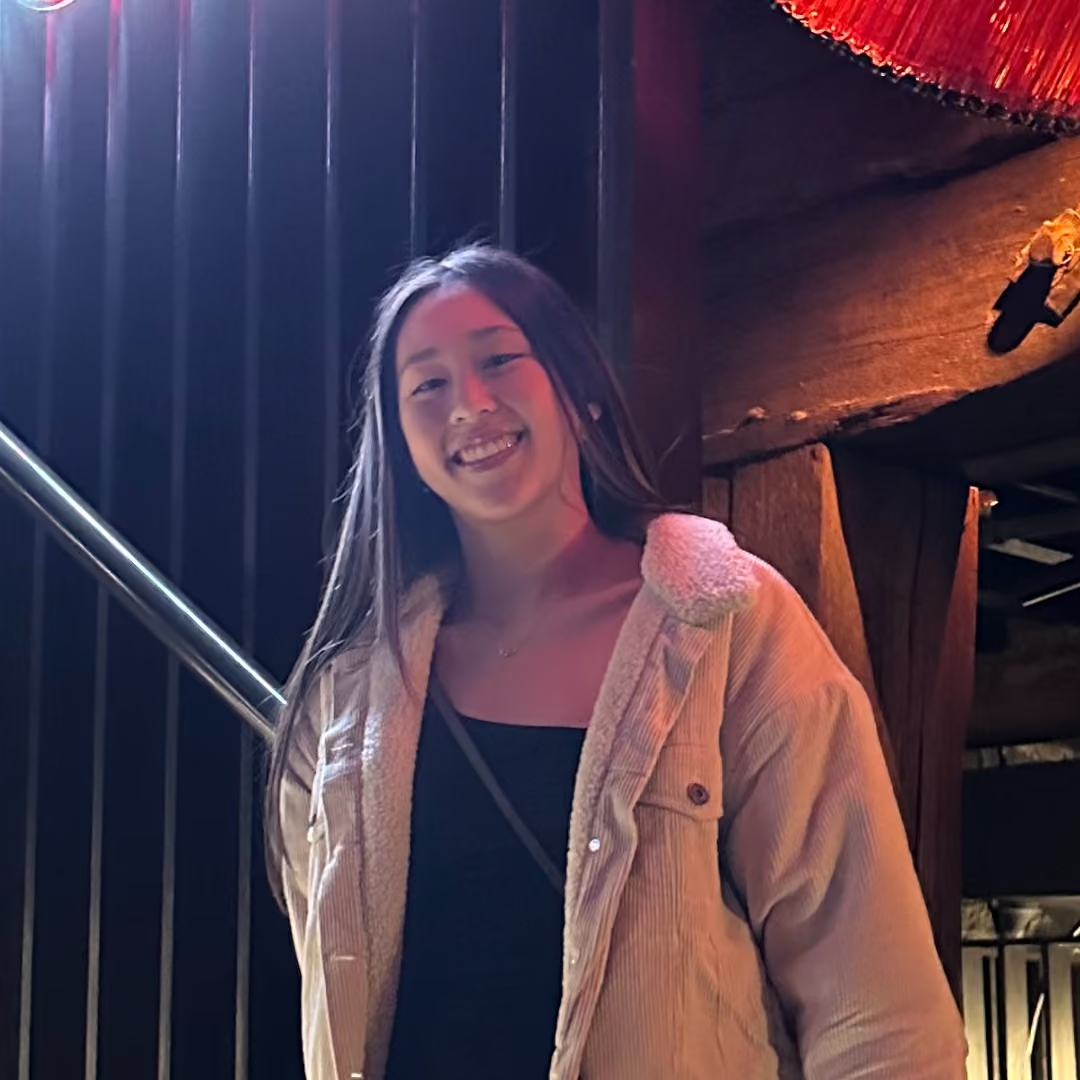
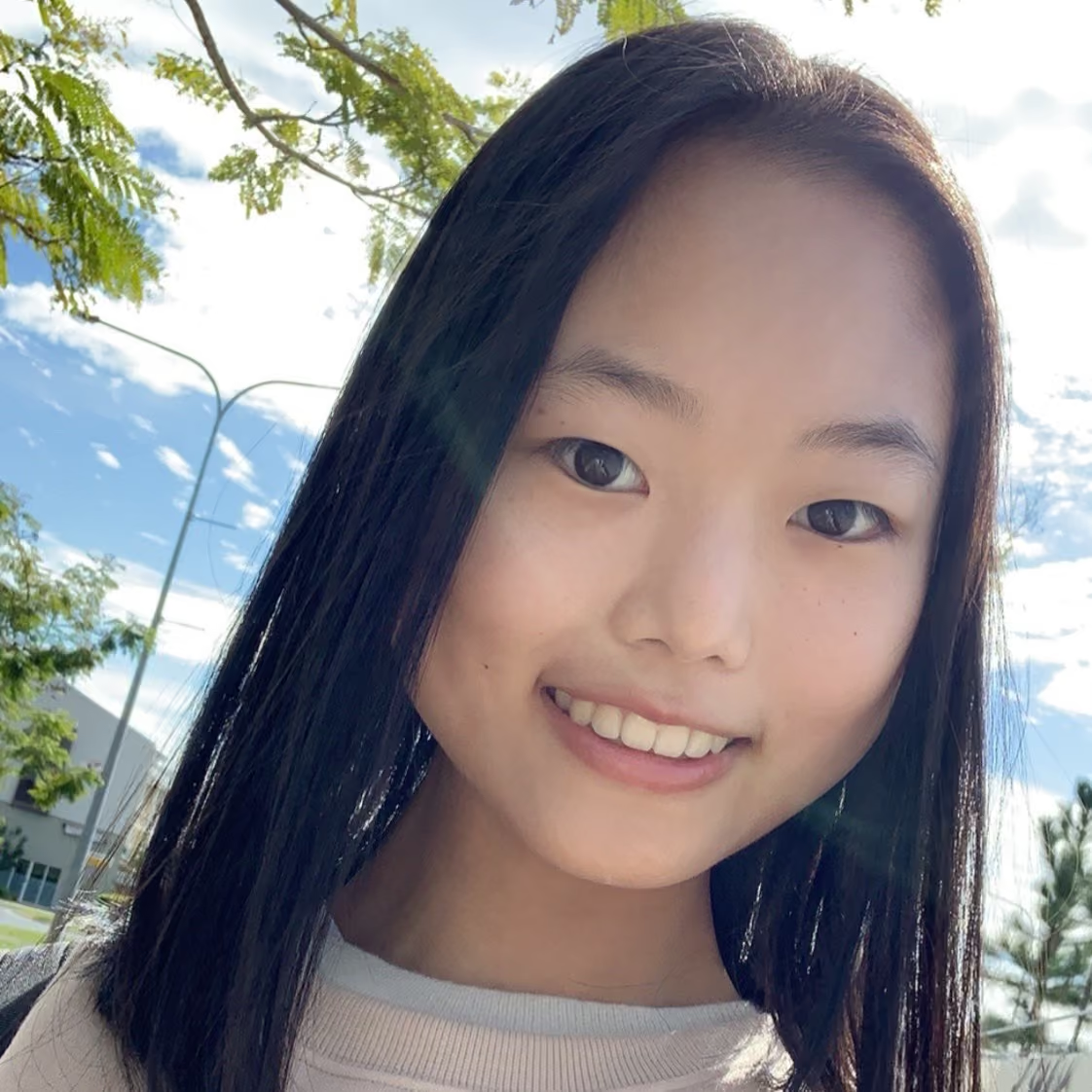
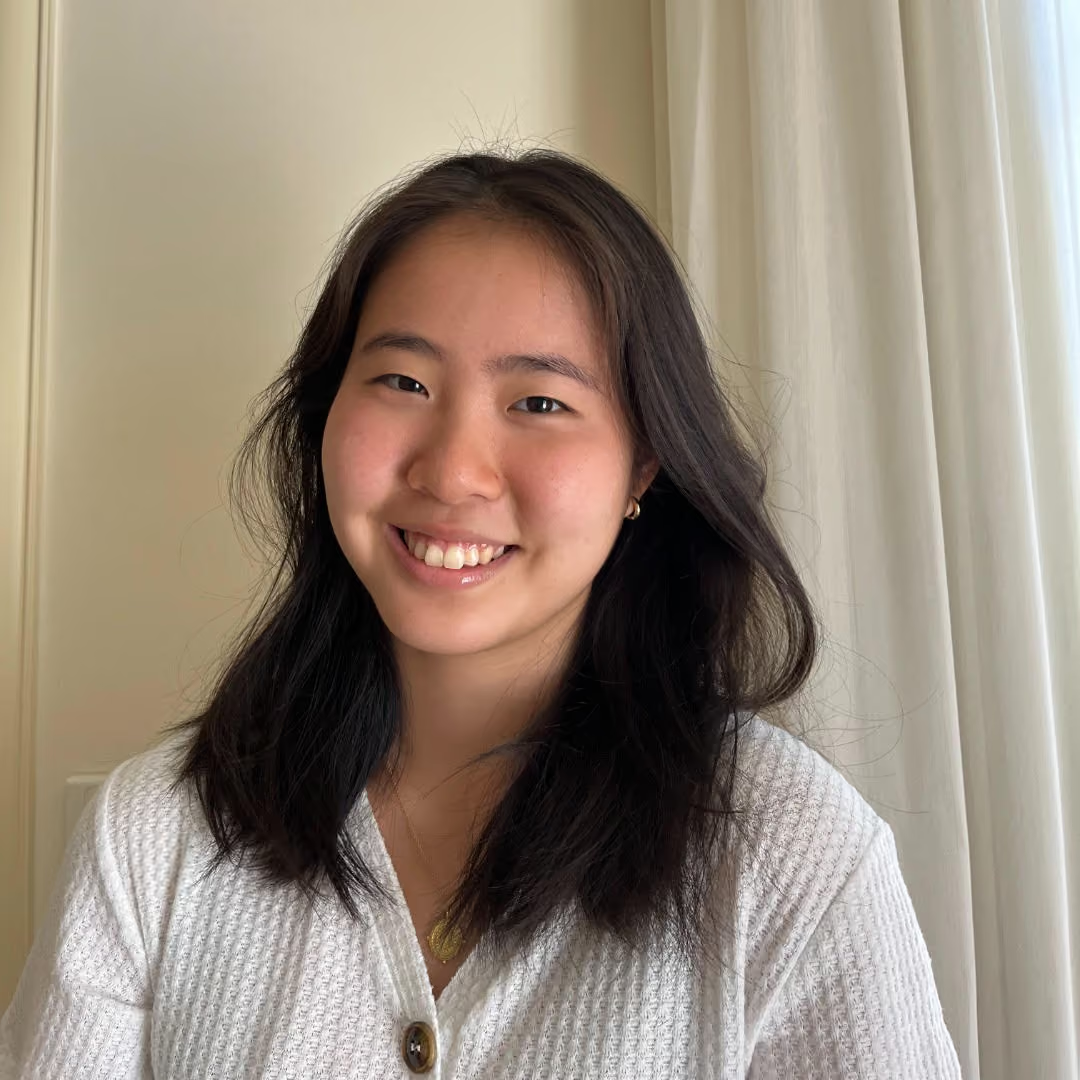
Meet our A-Level Spanish tutors
Our team is a combination of A-Level graduates who sat these exams recently and qualified teachers with years of classroom and examining experience.
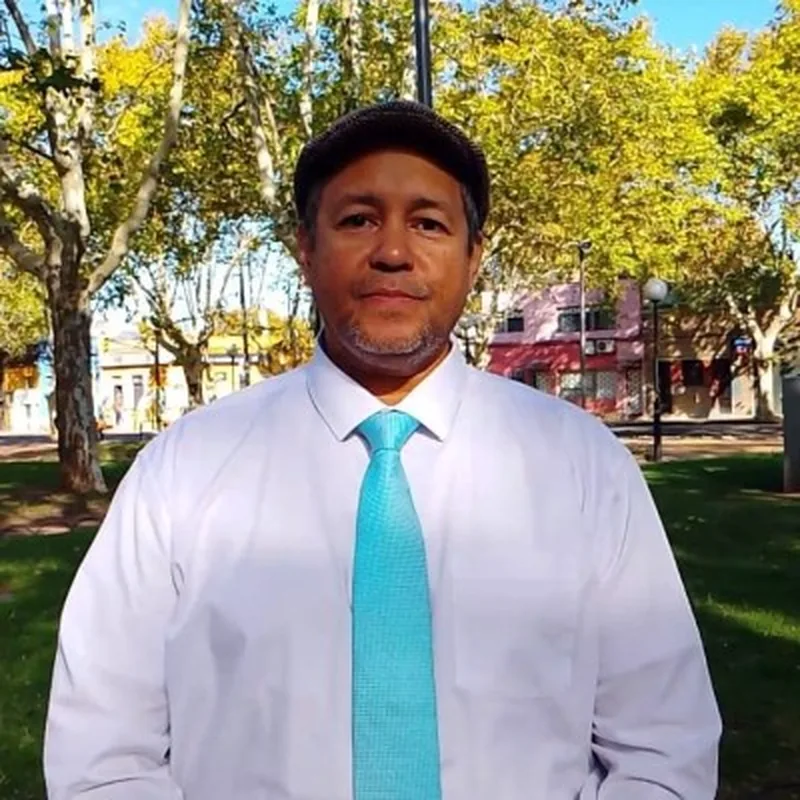
11
I help students achieve top-band results by combining subject mastery with systematic, high-level analytical skills. Specializing in Spanish, I provide rigorous, structured support that goes beyond the textbook. My approach centers on deep conceptual understanding, examination strategy, and expert guidance for their exams. Whether you are aiming to bridge knowledge gaps or polish your final submissions, I offer the methodological rigor and bilingual expertise needed to turn complex academic challenges into measurable success. Experienced with teaching IGCSE Edexcel Spanish and IGCSE Cambridge English Literature in the classroom.

23
Virginia was born and educated in Spain and later qualified as a teacher in the UK. She also holds a Master’s degree in Translation.
She has been teaching IB Spanish and French since 2010 and has over 10 years of experience teaching IGCSE Spanish, as well as extensive experience teaching A Level Spanish. Throughout her career, she has worked in international schools in the UK, the UAE, Germany, China, and Thailand, teaching students from a wide range of nationalities, backgrounds, and abilities.
Virginia is an IB examiner and a certified examiner for other official exam boards, which means she has an in-depth understanding of what examiners are looking for and how students can maximise their marks. She particularly enjoys helping students master exam technique and strategies, develop their language skills, build confidence, and achieve results they can be proud of.
The tutors you see here are just a selection from our team of hundreds of tutors, please contact our Learning Advisors to discuss tutoring options
Why A-Level Spanish needs the right tutor
What makes A-Level Spanish hard
A-Levels move faster and go deeper than anything students have done before, and they are studied alongside two or three other subjects at the same level. Classes are taught to the middle of the room, so gaps are easy to carry forward unnoticed until the exam.
- A sharp step up in difficulty from GCSE
- Marks decided by technique, not recall
- Grades that determine university options
How tutoring changes the outcome
One-to-one tutoring targets the two things a classroom cannot: exam technique and the specific topics a student keeps getting wrong. A tutor marks work the way an examiner would, shows where the marks went, and then drills those areas until they hold. Confidence follows from that, not the other way round.
- Exam technique built on real past papers
- Targeted work on areas of weakness
- Confidence going into the exam
What you'll learn in A-Level Spanish tutoring
Core skills developed
The UK A-Level Spanish specifications at AQA, Edexcel and Eduqas and WJEC share the same four assessment objectives and weightings: understanding and responding to spoken language (20%), understanding and responding to written language (30%), manipulating the language accurately (30%), and knowledge and critical analysis of the culture and society of Spanish-speaking countries (20%). The international boards weight things differently. Cambridge splits the marks roughly equally between reading, writing and literature, with no speaking or listening, while on Edexcel International critical response to a topic, text or film is worth under 8% of the IAL. We work through past-paper questions objective by objective, so you can see whether comprehension, accuracy or analysis is costing you marks.
- Speaking spontaneously and at length about a stimulus card and your own research project
- Listening and reading for gist, detail and inference in authentic material from Spain and Latin America
- Translating accurately from Spanish into English and from English into Spanish
- Controlling the grammar on your board's list, especially the subjunctive and the full range of tenses
- Writing critical, evidence-based essays on a Spanish or Latin American novel, play or film
How are students assessed
How Spanish is assessed depends heavily on the board. AQA, Edexcel and Eduqas examine all four skills at the end of the course, with a speaking exam worth 30% that includes the presentation and discussion of an independent research project. AQA and Eduqas put 50% on a listening, reading and translation paper, while Edexcel splits the written marks 40% and 30%, with the translation into Spanish on the literature paper. Edexcel International is modular, with two speaking units sat in January or June and no translation. Cambridge has no oral at all: three written papers on reading, writing and literature.
- Speaking: stimulus-card discussion and research presentation, practised in timed mock orals with unpredictable follow-up questions
- Listening, reading and translation: authentic past-paper material, drilled for gist, detail, inference and accurate translation in both directions
- Essays on texts and films: planned and rewritten against the mark scheme until they analyse with evidence rather than narrate
What A-Level Spanish topics do we cover?
Eduqas (England) · A level Spanish
Three components, all taken in the May/June series at the end of the course. Component 1: Speaking is a 21–23 minute non-exam assessment (including 5 minutes' preparation) worth 30%: a 2-minute presentation and 9–10 minute discussion of an independent research project, then a 5–6 minute discussion based on a stimulus card. Component 2: Listening, Reading and Translation is a 2 hour 30 minute exam worth 50%. Component 3: Critical and analytical response in writing (closed-book) is a two-hour exam worth 20%: two essays of about 300 words, at least one on a literary work, from a list of six literary works and six films.
- Being a young person in Spanish-speaking society: Families and citizenship; Youth trends and personal identity; Education and employment opportunities
- Understanding the Spanish-speaking world: Regional culture and heritage in Spain, Spanish-speaking countries and communities; Media, art, film and music in the Spanish-speaking world
- Diversity and difference: Migration and integration; Cultural identity and marginalisation; Cultural enrichment and celebrating difference; Discrimination and diversity
- The two Spains: 1936 onwards: El franquismo; Post-Civil War Spain – historical and political repercussions; Spain – coming to terms with the past?
WJEC (Wales) · AS/A level Spanish
Five units, assessed each summer: AS Units 1 and 2 (40% of the A level) and A2 Units 3, 4 and 5 (60%). Unit 1: Speaking (12%) and Unit 2: Listening, reading, translation and critical response in writing (28%, including an essay on one prescribed film) make up the AS. Unit 3: Speaking (18%, the independent research project), Unit 4: Listening, reading and translation (30%) and Unit 5: Critical and analytical response in writing (closed-book, 12%, on one literary work) complete the A level.
- Theme 1: (AS) Being a young person in Spanish-speaking society
- Theme 2: (AS) Understanding the Spanish-speaking world
- Theme 3: (A level) Diversity and difference
- Theme 4: (A level) The Two Spains: 1936 onwards
Both versions end with a Spanish history theme on Franco's Spain and how the country has dealt with that past, including the recovery of historical memory, and both include a speaking exam built around an independent research project. In Wales the film is examined at AS and the literary work at A level, and translation can be into English or Welsh. Sessions on this board build the historical context for The Two Spains and rehearse the research project discussion under questioning.
Four units, each available in January and June. Units 1 and 2 make up the International Advanced Subsidiary (IAS), and Units 3 and 4 complete the International Advanced Level. Units can be banked across exam series and resat. The two speaking units are each worth 15% of the IAL and the two written papers 35% each, and every unit is externally assessed.
IAS
- Unit 1: Spoken expression and response (8–10 minutes, 40 marks)
- Unit 2: Understanding and written response (2 hours 30 minutes, 90 marks)
IA2
- Unit 3: Understanding and spoken response (11–13 minutes, 40 marks)
- Unit 4: Research, understanding and written response (2 hours 30 minutes, 90 marks)
General topic areas (IAS and IAL)
- Youth matters
- Lifestyle, health and fitness
- Environment and travel
- Education and employment
Additional general topic areas (IAL)
- Technology in the Spanish-speaking world
- Society in the Spanish-speaking world
- Ethics in the Spanish-speaking world
Edexcel IAL has no translation tasks, and only Unit 4 involves a set work: one 300–400 word essay on a geography topic, a history topic, a literary text or a film from the prescribed list, which includes Como agua para chocolate, Yerma, Machuca and También la lluvia. Unit 3 opens with a one-minute presentation in which the student takes a clear stance on an issue of their choice and then defends it in debate. Sessions on this board prepare a well-researched debate stance and build Unit 4 essays around the chosen topic, text or film.
Three papers, all in one year: the speaking assessment in April/May and both written papers in May/June. Paper 1 (Listening, reading and translation) is a two-hour, 80-mark exam worth 40% of the A level, ending with a translation into English. Paper 2 (Written response to works and translation) lasts 2 hours 40 minutes, carries 120 marks and is worth 30%: a translation into Spanish plus two essays on either two literary texts or one literary text and one film. Paper 3 (Speaking) lasts 21–23 minutes including 5 minutes' preparation, carries 72 marks and is worth 30%. It is conducted by a teacher-examiner and marked by Pearson.
Theme 1: La evolución de la sociedad española
- El cambio en la estructura familiar
- El mundo laboral
- El impacto turístico en España
Theme 2: La cultura política y artística en el mundo hispanohablante
- La música
- Los medios de comunicación
- Los festivales y las tradiciones
Theme 3: La inmigración y la sociedad multicultural española
- El impacto positivo de la inmigración en la sociedad Española
- Enfrentando los desafíos de la inmigración y la integración en España
- La reacción social y pública hacia la inmigración en España
Theme 4: La dictadura franquista y la transición a la democracia
- La Guerra Civil y el ascenso de Franco (1936-1939)
- La dictadura franquista
- La transición de la dictadura a la democracia
Prescribed literary texts and films
- 13 literary texts, including novels, plays and short stories, from Bodas de sangre to Réquiem por un campesino español
- 12 films, from Diarios de motocicleta to Volver (students must not answer on two films)
Edexcel sets Themes 1, 3 and 4 in the context of Spain only, and Theme 4 is history: the Civil War, the Franco dictatorship and the transition to democracy, including the role of King Juan Carlos and the 1981 coup attempt. In the speaking exam, Task 1 starts from a stimulus containing two different statements, and the research presentation must summarise at least two written sources. Sessions on this board build the historical knowledge Theme 4 needs and rehearse the research presentation against that source requirement.
Three papers, all taken in the same May/June series at the end of the two-year course. Paper 1 (Listening, reading and writing) is a 2 hour 30 minute, 100-mark exam worth 50% of the A-level, including a translation into English and a translation into Spanish of at least 100 words each. Paper 2 (Writing) is a two-hour, 80-mark exam worth 20%, with two essays on either one text and one film or two texts. Paper 3 (Speaking) is a 21–23 minute oral worth 30%, including 5 minutes' preparation: a discussion based on a stimulus card, then a presentation and discussion of an individual research project.
3.1.1 Aspects of Hispanic society
- Modern and traditional values (Los valores tradicionales y modernos)
- Cyberspace (El ciberespacio)
- Equal rights (La igualdad de los sexos)
3.1.2 Multiculturalism in Hispanic society
- Immigration (La inmigración)
- Racism (El racismo)
- Integration (La convivencia)
3.2.1 Artistic culture in the Hispanic world
- Modern day idols (La influencia de los ídolos)
- Spanish regional identity (La identidad regional en España)
- Cultural heritage (El patrimonio cultural)
3.2.2 Aspects of political life in the Hispanic world
- Today's youth, tomorrow's citizens (Jóvenes de hoy, ciudadanos del mañana)
- Monarchies and dictatorships (Monarquías y dictaduras)
- Popular movements (Movimientos populares)
3.4 Works
- Ten set texts, from La casa de Bernarda Alba and Crónica de una muerte anunciada to La sombra del viento
- Six set films, from El laberinto del fauno to Volver and Las 13 rosas
AQA requires Spanish regional identity to be studied in relation to Spain, and Monarchies and dictatorships covers the Franco dictatorship, the Spanish monarchy and Latin American dictators. Paper 1 includes summary questions in Spanish marked separately for content and language, and the listening material must refer to at least two Spanish-speaking countries other than Spain. The speaking test can be taken only once before certification. Sessions on this board drill the summary questions and build a research project that holds up under ten minutes of questioning.
Cambridge offers Spanish as a full A Level through Spanish Language & Literature (9844). There are three compulsory papers, each worth 40 marks and about a third of the A Level, all taken in the same series, with exams in June and November. There is no AS route into it: results from AS Level Spanish Language (8022) cannot be carried forward. The 2024–2026 syllabus applies to 2026 exams, and a 2027–2029 syllabus keeps the same structure with updated set texts.
- Paper 1 Reading (1 hour 30 minutes): multiple-choice and matching questions on a number of texts
- Paper 2 Writing (2 hours): one argumentative/discursive task and one narrative or descriptive task
- Paper 3 Literature (2 hours): one passage-based question and one essay question on the set texts
A Level topic areas
- 1 Culture
- 2 Health and well-being
- 3 Education and future plans
- 4 Community and society
- 5 Our responsibility for the planet
- 6 Science and technology
Set texts for examination in 2026
- Section A: Federico García Lorca, La casa de Bernarda Alba; Fantastic short stories by women authors from Spain and Latin America (eds. Patricia García, Teresa López-Pellisa); Carlos Ruiz Zafón, La sombra del viento
- Section B: Gabriel García Márquez, El coronel no tiene quien le escriba; Fernando Fernán Gómez, Las bicicletas son para el verano; Laura Esquivel, Como agua para chocolate
Cambridge 9844 has no speaking, listening or translation, so the grade rests on reading, writing and literature. Unlike the UK boards, candidates take their set texts into the literature exam, as long as they are unannotated, and the texts rotate: for 2027, Isabel Allende's Eva Luna and García Márquez's Crónica de una muerte anunciada come onto the list. Sessions on this board train creative and argumentative writing alongside close literary analysis, using the set-text list for your exam year.
Ready to start?
Tell us the subject, exam board and target grade. A Learning Advisor reviews it the same day.
Why parents trust us
4.9/5 from 312 reviews · used by students at 500+ schools

FAQs
We have answers to your most frequently asked questions. Anything not answered here, please reach out to our team.
A-Level Spanish with an academic tutor costs from $60 USD (£45) per hour, and packages save 5–15%, which suits weekly oral practice before the speaking exam. Pay as you go is invoiced after each lesson, with no lock-in contracts. Professional tutors (qualified teachers and examiners) cost from $85 USD (£64) per hour. See pricing.
Late cancellations and no-shows are charged at half the lesson fee. That applies if you cancel less than one hour before the start time, or don't turn up. You can still change a session time whenever you need to, as long as you give your tutor notice.
Our academic tutors achieved an A* or A in A-Level Spanish themselves, and our professional tutors are qualified teachers or examiners with 5+ years' experience. We accept only the top 5% of applicants. You are matched to a tutor who knows your board, so they can run a mock oral in Spanish to your board's format and mark your translations the way an examiner would. Read more about our tutors and how we select tutors.
Lessons are one-to-one and online, with a tutor matched to A-Level Spanish, your exam board and your target grade. Each session works on your weakest areas using past paper questions from your own board, whether that is AQA, Pearson Edexcel or Cambridge 9844. For Spanish that usually means regular mock orals with unpredictable follow-up questions, translation drills on verb forms and agreements, and essays rewritten until they analyse rather than narrate. See how it works or start with the student application.
Yes, because it gets harder in two directions at once. The grammar steps up sharply: the subjunctive appears constantly, and choices such as ser and estar or por and para must be right without a dictionary. At the same time, much of the credit rewards cultural and literary knowledge, so you need essay-level analysis of Spanish-speaking society, a set text or a film, written in Spanish from memory. Translation into Spanish and an unscripted oral are where most students drop marks. Our online A-Level tutoring focuses on exactly those areas.
In summer 2026, 10.2% of UK A-Level Spanish entries achieved an A*, and 34.9% achieved A* or A (JCQ), from 8,434 entries. Those figures look generous, but the cohort includes many strong linguists. An A* means accurate grammar under pressure, especially the subjunctive and tense choices in translation into Spanish, a speaking exam that sounds like real discussion rather than memorised answers, and essays on a novel or film that analyse with evidence instead of retelling the plot.
Grade boundaries are set after each exam series and change every year, so older figures are only a guide. In June 2026, AQA's A* boundary for A-Level Spanish was 351 out of 400 (88%), and Pearson Edexcel's was 335 out of 400 (84%). Cambridge's June 2026 A* threshold for Spanish Language & Literature 9844 was 90 out of 120 (75%). On Edexcel International, an A* needs an overall A plus at least 90% of the uniform marks across the IA2 units. Sources: AQA, Pearson, Cambridge and Pearson International.
There is no written coursework and no practical endorsement, but the UK boards build the speaking exam around an independent research project that you choose and research yourself. On AQA the oral lasts 21–23 minutes, including 5 minutes' preparation, and is worth 30%: a discussion based on a stimulus card, then a presentation and discussion of your research. Pearson Edexcel's speaking test is also worth 30%, and the research presentation must summarise at least two written sources. Cambridge 9844 has no speaking component at all. Full details are in the Pearson Edexcel specification.
A-Level Spanish is assessed by exams at the end of the course covering listening, reading, writing and speaking, and the UK boards also test translation. On AQA, Paper 1 (listening, reading and writing) lasts 2 hours 30 minutes and is worth 50%, Paper 2 (essays on texts and films) lasts 2 hours for 20%, and the speaking exam carries 30%. Pearson Edexcel splits its written papers 40% and 30%, with a 30% speaking test. The biggest difference is Cambridge 9844, which has no oral: three written papers on reading, writing and literature, each worth about a third. See the AQA specification.
All A-Level subjects
Ready to find your A-Level Spanish tutor?
We will findf you a tutor in 24 hours and if you are not happy after the first session, we will give you a full refund and find you another tutor for no extra charge.
Resources for A Level Students
Free content to help you become a a master, more informed A Levels student


