1,000+ happy customers
Private GCSE English Literature tutors
We will find you a GCSE English Literature tutor who will help you get a 9 and boost your confidence.
Currently serving students in
your country!

How It Works
We keep things as simple as possible. Our objective is to make finding a tutor convenient, efficient and effective.
Fill out an online form
Complete an application online which will be received by one of our dedicated Learning Advisors
Get matched with a tutor
Our experienced Learning Advisor will review your application, and match you with the most appropriate tutor based on your application
Tutor makes contact
Once we confirm with the tutor, the tutor will make contact to organise your first session.
Have your first lesson
Our tutors will work around your schedule to organise a session whenever you would like. Only pay for tutoring you have completed.
Two kinds of GCSE tutor
Choose between top-performing recent graduates or qualified teachers. Either way, our matching process finds you a tutor based on subject, exam board, target grade and availability.
Academic Tutors
from $50 USD/hr
Top performing graduates who achieved top grades in the subject they teach.
- We accept only the top 5% of tutor applicants.
- Each tutor is chosen for their academic results, teaching ability, and connection with students.
Relatable role model: work with a tutor who is similar in age and can be a peer
Affordability: academic tutors are more cost-effective than professional tutors
First-hand experience: they sat these papers recently and know what worked
Professional Tutors
from $75 USD/hr
Current or past qualified teachers and examiners with 5+ years professional teaching experience.
- We only select highly experienced, qualified GSCE teachers.
- Every teacher is assessed on their teaching expertise, subject knowledge, and ability to engage students.
Quality assurance: trained and accredited teaching qualifications
Guaranteed track record: years of experience helping students succeed
Subject expertise: deep understanding of content and exam board requirements
Due to our international operations we quote our prices in USD. Pound amounts are an indicative conversion and you will be invoiced in USD.
Academic Tutors
from £37 GBP/hr
Top performing graduates who achieved top grades in the subject they teach.
Relatable role model: work with a tutor who is similar in age and can be a peer
Affordability: academic tutors are more cost-effective than professional tutors
First-hand experience: they sat these papers recently and know what worked
Professional Tutors
from £56 GBP/hr
Current or past qualified teachers and examiners with 5+ years professional teaching experience.
Quality assurance: trained and accredited teaching qualifications
Guaranteed track record: years of experience helping students succeed
Subject expertise: deep understanding of content and exam board requirements
Meet our GCSE English Literature tutors
Our team is a combination of GCSE graduates who sat these exams recently and qualified teachers with years of classroom and examining experience.

25
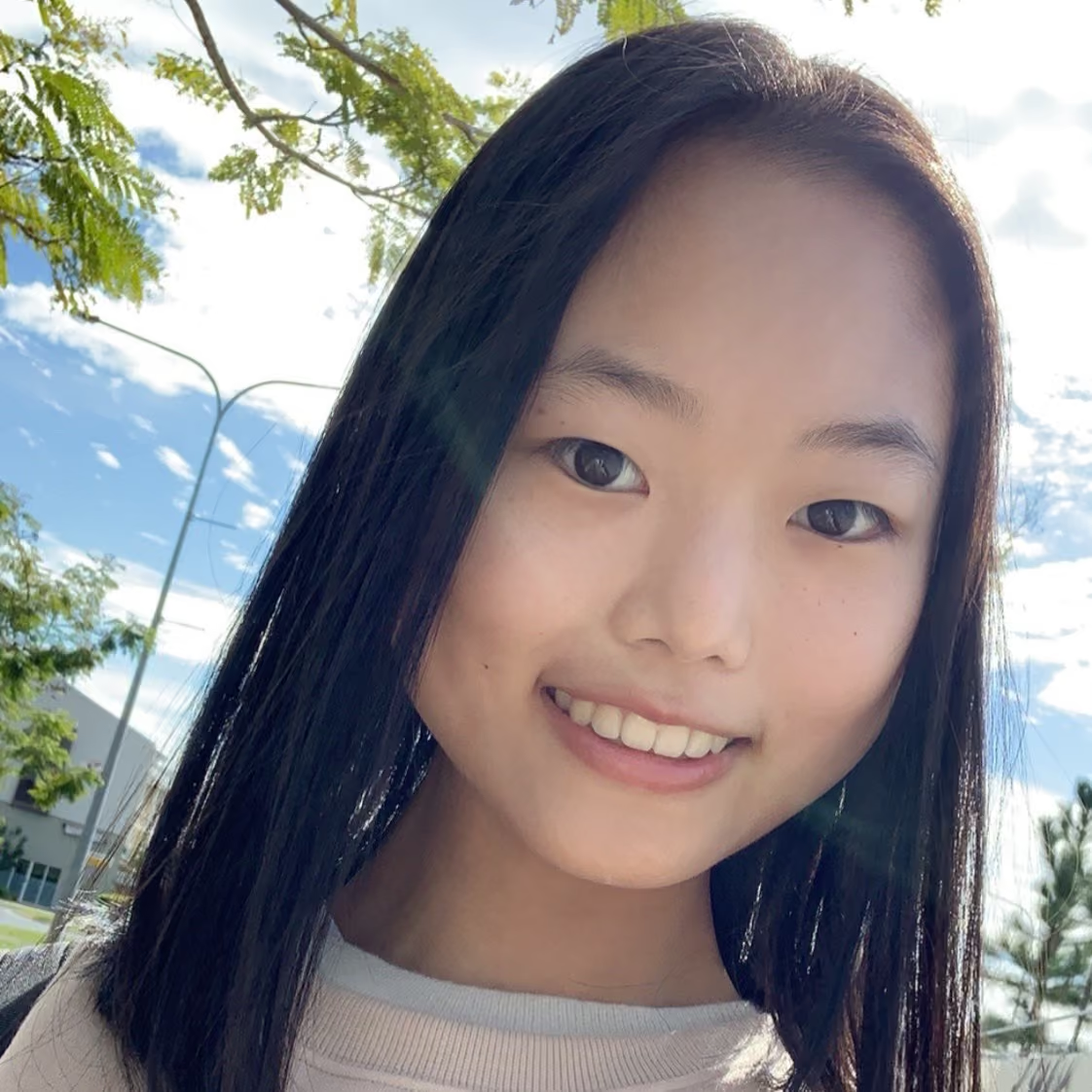
Vanessa is an Aeronautical Engineering undergraduate at Imperial College London who demonstrated exceptional academic drive by independently self-studying and completing A-Level Mathematics and Further Mathematics early in Year 12. As one of only 13 students in the UK in her cohort to achieve a perfect sweep of 13 Grade 9s at GCSE, she brings a proven track record of top-tier academic excellence alongside over two years of dedicated tutoring experience. She has successfully guided students across Edexcel, AQA, and more to reach their full potential.
Vanessa adopts a structured, growth-oriented approach, starting with diagnostic feedback to target fundamental concepts before progressing to rigorous exam-style question practice. Empathetic, flexible, and disciplined, she instils confidence and resilience in her tutees while providing out-of-hours support to ensure they always feel fully supported.
15
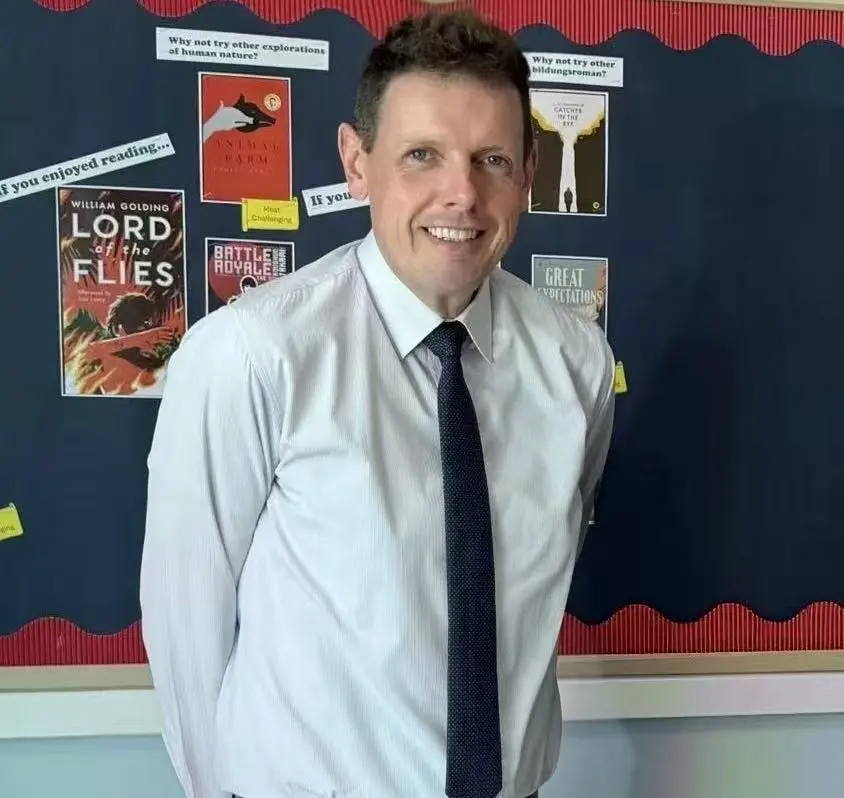
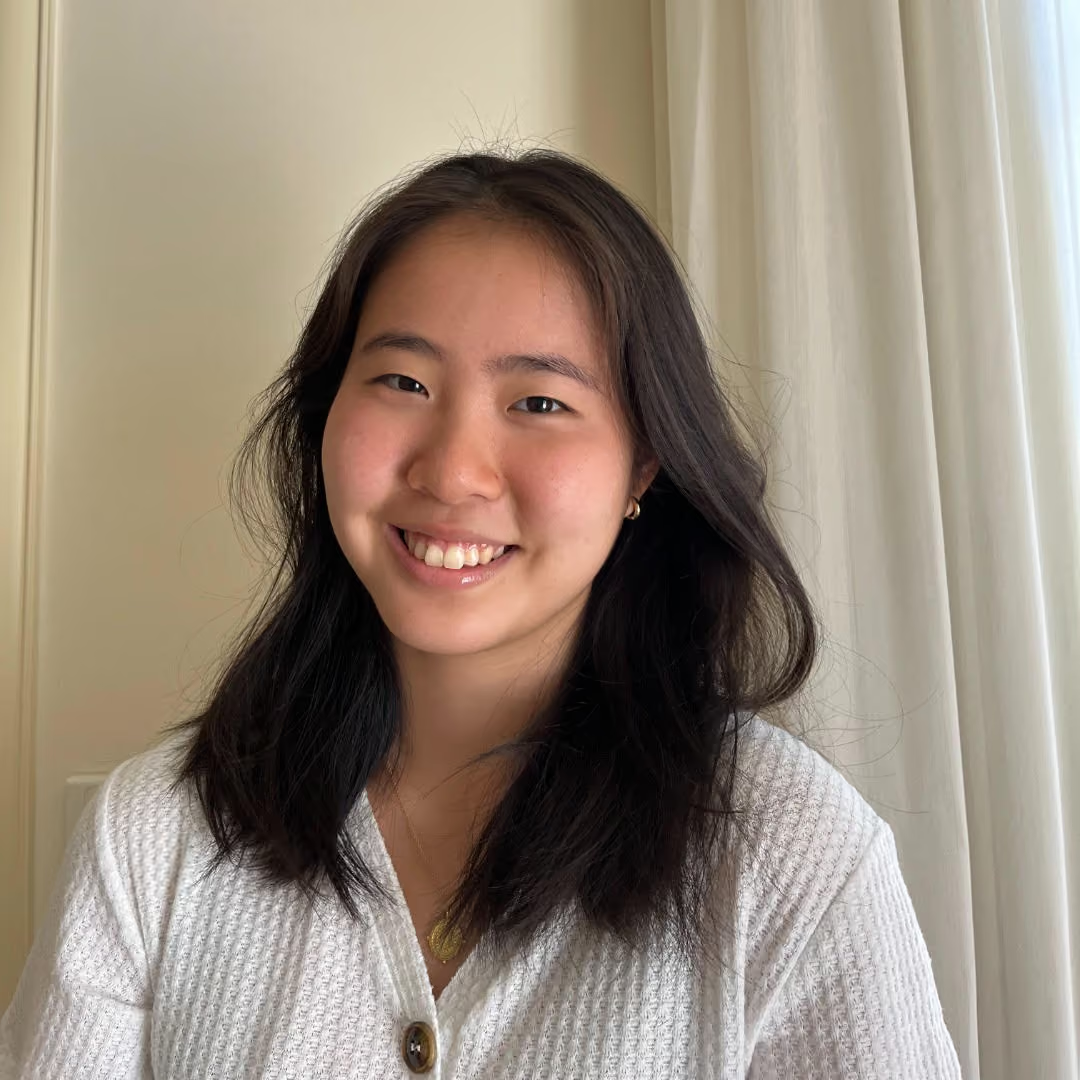
I tutor English at A level and IGCSE, across both Cambridge and Pearson Edexcel. One to one, built around what the mark scheme actually rewards rather than what students assume it does.Tell me where you are and where you want to be, and we'll work out how to get there.
The tutors you see here are just a selection from our team of hundreds of tutors, please contact our Learning Advisors to discuss tutoring options
Why GCSE English Literature needs the right tutor
What makes GCSE English Literature hard
GCSE and IGCSE English Literature asks students to know several whole texts well enough to write about any part of them under exam conditions, often without the book in front of them. On the UK boards every paper is closed book, so quotations, plot and character have to be secure from memory, and the highest marks go to a sustained argument about how the writer creates meaning, not a retelling of the story. Unseen poetry and prose then test the same analytical skill on a text students have never read.
Other things that make it hard:
- Learning enough short, flexible quotations across four or more set texts and a poetry anthology or cluster
- Extract-to-whole-text questions that need close analysis of a passage and wider knowledge of the play or novel in one answer
- Comparing two poems in one integrated argument rather than writing about each in turn
- Using historical and social context to support an interpretation, rather than as a bolt-on paragraph
- Shakespeare's and 19th-century language, which must be understood before it can be analysed
How tutoring changes the outcome
Our English Literature tutors work from your board's own past papers, mark schemes and examiners' reports, so every essay is planned and judged against the level descriptors examiners actually use. Sessions target where English Literature marks are actually lost:
- essays that retell the plot instead of analysing the writer's methods
- thin quotation knowledge for closed book papers, built up with targeted retrieval practice
- poetry comparisons that treat the two poems separately
- context that examiners' reports describe as generalised or detached from the question
What you'll learn in GCSE English Literature tutoring
Core skills developed
Every English Literature specification rewards an informed personal response, analysis of language, form and structure, and an understanding of context, but the weighting differs sharply by board. On AQA, OCR, Edexcel and Eduqas, response and analysis carry around 80% between them, context about 15%, and 5% goes to spelling, punctuation and grammar. Edexcel International gives context 20% and comparison 10%. Cambridge weights its four objectives equally at 25% each, and OxfordAQA uses three objectives weighted 40%, 40% and 20%. We work through past questions objective by objective, so you can see which skill is holding your grade back.
- Close reading of extracts and whole texts, with secure, well-chosen quotations
- Analysing how writers use language, form and structure to create meaning and effect
- Linking texts to their social, historical and cultural contexts
- Comparing poems and texts in a single, integrated argument
- Writing timed, well-structured essays that sustain an interpretation
How are students assessed
On the UK boards English Literature is assessed entirely by closed book exams sat in the summer at the end of the course, with no coursework. The international boards offer more choice: Edexcel International has a coursework option and an open book drama paper, Cambridge offers coursework and open text routes, and OxfordAQA has an open book poetry paper and an optional non-exam assessment, with exams in both June and November.
- Extract-based questions: practised on real past papers, moving from close analysis of the passage to the text as a whole
- Essay questions on set texts: planned to time with a clear line of argument and quotations learned for closed book papers
- Unseen and anthology poetry: comparison frameworks drilled until students can analyse an unfamiliar poem with confidence
What GCSE English Literature topics do we cover?
OxfordAQA GCSE English Literature
A linear qualification with two routes, sat in May/June or November. Paper 1 is common to both. Route A adds one longer poetry and unseen paper; Route B adds a shorter poetry paper and a non-exam assessment. Components cannot be resat separately. OxfordAQA has revised the specification for first exams in May/June 2028, with new set texts but the same structure; the current specification has its final May/June exams in 2027.
- Paper 1: Prose and drama (1 hour 30 minutes, closed book, 60 marks, 40%): Section A Prose fiction and Section B Drama, each with an essay or passage-based question
- Paper 2a: Poetry and unseen texts (Route A, 2 hours 15 minutes, open book, 90 marks, 60%): Section A Poetry, Section B Unseen poetry, Section C Unseen prose
- Paper 2b: Poetry (Route B, 1 hour 30 minutes, open book, 60 marks, 40%): Section A Poetry and Section B Unseen poetry
- Non-exam assessment (Route B, 30 marks, 20%): one extended response to a prose fiction text not on the set text list
OxfordAQA lets students take a clean copy of its poetry anthology, People and Places, into the poetry paper, which shifts the focus from memorising to detailed analysis. Route A also includes an unseen prose question that few other boards set. Sessions on this board practise the unseen prose commentary for Route A and, for Route B, choose and plan the non-exam assessment text.
WJEC GCSE English Literature
Eduqas GCSE English Literature (England) has two closed book written components sat in the summer series. Component 1 is 2 hours and worth 40%; Component 2 is 2 hours 30 minutes and worth 60%. Every section is worth 40 marks and 20% of the GCSE. Students study a Shakespeare play, the Eduqas Poetry Anthology, a post-1914 prose or drama text and a 19th-century prose text from the prescribed lists. In Wales, WJEC's separate GCSE English Literature is being replaced by GCSE English Language and Literature (Single Award 3750QS, Double Award 3750QD), first awarded in 2027.
Component 1: Shakespeare and Poetry
- Section A: Shakespeare, one extract question and one essay question
- Section B: Poetry from 1789 to the present day, two questions on anthology poems, one involving comparison
Component 2: Post-1914 Prose/Drama, 19th Century Prose and Unseen Poetry
- Section A: Post-1914 Prose/Drama, one source-based question
- Section B: 19th Century Prose, one source-based question
- Section C: Unseen Poetry from the 20th/21st Century, two questions, one involving comparison
Eduqas asks students to study the whole poetry anthology rather than one cluster, and Component 2 sets three different tasks in one long paper. Eduqas has also published a new poetry anthology for first assessment from 2027. Sessions on this board cover the full anthology, using the current edition, and build the stamina to give the third section of Component 2 the same quality as the first.
IAL GCSE English Literature
Students take Component 1 plus either Component 2 or Component 3, sat in June or November. Component 1 is a 2-hour, 90-mark closed book exam worth 60%. Component 2 is a 1 hour 30 minute, 60-mark open book exam worth 40%, using unmarked prescribed editions; Component 3 is coursework on the same texts. The modular version (4XET1) has the same two exams as separate units and no coursework option.
Component 1: Poetry and Modern Prose
- Section A: Unseen Poetry (20 marks)
- Section B: Anthology Poetry, comparing two poems from Part 3 of the Pearson Edexcel International GCSE English Anthology (30 marks)
- Section C: Modern Prose (40 marks)
Component 2 (exam) or Component 3 (coursework): Modern Drama and Literary Heritage Texts
- Section A: Modern Drama (30 marks)
- Section B: Literary Heritage Texts (30 marks)
Edexcel International GCSE weights context more heavily than the UK boards, at 20% of the marks, and the open book drama and heritage paper rewards precise use of the text rather than memorised quotation. The coursework route replaces that paper with two teacher-set 30-mark essays. Sessions on this board build context into every essay and, for coursework students, plan and redraft both assignments within the rules.
EDEXCEL GCSE English Literature
Two closed book papers, each 80 marks and 50% of the GCSE, sat in May/June in the same year. Component 1 is 1 hour 45 minutes and Component 2 is 2 hours 15 minutes. Students study one Shakespeare play, one post-1914 British play or novel, one 19th-century novel and one collection of 15 poems from the Pearson Poetry Anthology.
Component 1: Shakespeare and Post-1914 Literature
- Section A: Shakespeare, a two-part question starting from an extract
- Section B: Post-1914 British play or novel, one essay question
Component 2: 19th-century Novel and Poetry since 1789
- Section A: 19th-century novel, a two-part question starting from an extract of about 400 words
- Section B: Poetry, comparing a named anthology poem with another from the collection, then comparing two unseen contemporary poems
Edexcel's anthology offers four collections: Relationships, Conflict, Time and Place, and Belonging. The post-1914 essay in Component 1 has no extract, so students need wide quotation knowledge of that text, and Component 2 is a long paper with three different tasks. Sessions on this board build whole-text recall for the post-1914 text and practise Component 2 timing.
OCR GCSE English Literature
Two closed text papers, each 2 hours, 80 marks and 50% of the GCSE, sat in June. Each paper has two 40-mark sections, and students study one modern prose or drama text, one 19th-century prose text, one poetry cluster from the OCR Poetry Anthology and one Shakespeare play, chosen from OCR's set text list.
Exploring modern and literary heritage texts (01)
- Section A: Modern prose or drama, comparing an extract from the studied text with an unseen modern extract of the same genre, then a related question on the studied text
- Section B: 19th century prose, an extract-based question or a discursive question
Exploring poetry and Shakespeare (02)
- Section A: Poetry across time, comparing a named anthology poem with an unseen poem, then a question on another poem from the cluster
- Section B: Shakespeare, an extract-based question or a discursive question
OCR pairs both a set text and an anthology poem with unseen material of the same type, so comparison with an unfamiliar text runs through both papers. Its three poetry clusters are Love and Relationships, Conflict, and Youth and Age. Sessions on this board practise comparing a known text with an unseen extract and choosing between the extract and discursive options.
AQA GCSE English Literature
Two closed book papers sat in May/June at the end of the course. Paper 1 is 1 hour 45 minutes, 64 marks and 40% of the GCSE; Paper 2 is 2 hours 15 minutes, 96 marks and 60%. Students study one Shakespeare play, one 19th-century novel, one modern prose or drama text and one poetry cluster from the AQA anthology, chosen by the school from AQA's set text lists.
Paper 1: Shakespeare and the 19th-century novel
- Section A Shakespeare: one question on an extract and the play as a whole
- Section B The 19th-century novel: one question on an extract and the novel as a whole
Paper 2: Modern texts and poetry
- Section A Modern texts: one essay question from a choice of two
- Section B Poetry: one comparative question on a named anthology poem and one other poem from the chosen cluster
- Section C Unseen poetry: one question on an unseen poem and one comparing it with a second unseen poem
AQA's anthology, Poems Past and Present, has three clusters of 15 poems: Love and Relationships, Power and Conflict, and Worlds and Lives. Only one poem is printed for the anthology question, so students must know the other 14 well enough to compare from memory. Sessions on this board build quotation banks for each cluster poem and practise extract-to-whole-text answers for Paper 1.
CIE GCSE English Literature
For 2027 exams, all candidates take Paper 1 and then one of three routes, each worth 50% in total. 0475 is graded A* to G and 0992 is graded 9–1. Exams run in June and November, with a March series in India for 0475. Set texts are prescribed for each exam year, so check the list for your series. Cambridge has published a revised syllabus for first examination in 2028, with two components: an open text Paper 1 Poetry and Prose and either Paper 2 Drama and Unseen or a coursework portfolio.
- Paper 1 Poetry and Prose (1 hour 30 minutes, 50 marks, 50%): one poetry and one prose question
- Paper 2 Drama (1 hour 30 minutes, 50 marks, 50%): one passage-based and one essay question on two drama texts
- Paper 3 Drama (Open Text) (45 minutes, 25 marks, 25%): one question on one text
- Paper 4 Unseen (1 hour 15 minutes, 25 marks, 25%): a critical commentary on a poem or prose extract
- Component 5 Coursework (25 marks, 25%): two assignments, each on a different text
Cambridge weights its four assessment objectives equally, so personal response counts as much as knowledge and analysis. The set texts change by exam year and the 2028 syllabus changes the paper structure, so the right preparation depends on exactly when you sit. Sessions on this board follow your series' set texts and practise the unseen commentary for students on that route.
Ready to start?
Tell us the subject, exam board and target grade. A Learning Advisor reviews it the same day.
Why parents trust us
4.9/5 from 312 reviews · used by students at 500+ schools



FAQs
We have answers to your most frequently asked questions. Anything not answered here, please reach out to our team.
GCSE English Literature means the UK specifications from AQA, Pearson Edexcel, OCR and Eduqas, while IGCSE English Literature means Cambridge IGCSE 0475 (0992 on the 9–1 scale) or Edexcel International GCSE 4ET1. The biggest difference is choice. The UK GCSEs require a Shakespeare play, a 19th-century novel and a poetry anthology, all examined closed book, while the IGCSEs choose texts from a wider list, Shakespeare is not compulsory, and coursework or open text options are available. Universities and sixth forms accept both. The UK GCSE is sat in May and June only, while Cambridge IGCSE and Edexcel International GCSE also run a full November series, which suits students outside the UK and anyone who needs a resit. Read more about online IGCSE tutoring.
Each sixth form and college sets its own entry requirements, so check the prospectus of the one you're applying to. As a guide, most ask for a grade 6 in GCSE English Literature for A-Level English Literature, and selective schools often ask for a 7. Some also accept a 6 in English Language instead. If you take Cambridge IGCSE on the A*–G scale, a grade A is broadly equivalent to a 7 and a C to a 4, the points that were aligned when the 9–1 scale was introduced (GOV.UK grading factsheets), so a requirement of grade 6 usually means a strong B. See A-Level English Literature.
GCSE English Literature tutoring with an academic tutor costs from $50 USD (£38) per hour, and packages save 5–15%, which suits weekly lessons that work through each set text in turn, with extra essay practice before mocks and the summer exams. Pay as you go is invoiced after each lesson, with no lock-in contracts. Professional tutors (qualified teachers and examiners) cost from $75 USD (£56) per hour. See pricing.
Late cancellations and no-shows are charged at half the lesson fee. That applies if you cancel less than one hour before the start time, or don't turn up. You can still change a session time whenever you need to, as long as you give your tutor notice.
Our academic tutors are high-achieving graduates and undergraduates who scored in the top band in English Literature themselves, and our professional tutors are qualified teachers or examiners with 5+ years' experience. We accept only the top 5% of applicants. You are matched to a tutor who knows your board, so they can teach your set texts in depth, mark essays against your board's assessment objectives, and practise unseen poetry with you. Read more about our GCSE tutors and how we select tutors.
Lessons are one-to-one and online, with a tutor matched to GCSE English Literature, your exam board and your target grade. Each session works on your weakest areas using past paper questions from your own board, whether that is AQA, Pearson Edexcel, OCR, Edexcel International GCSE or Cambridge IGCSE 0475. For English Literature that usually means learning a bank of flexible quotations for each set text, timed essay plans, and essays rewritten until they analyse the writer's methods rather than retell the plot. See how it works or start with the student application.
Yes, mainly because of the volume of memory work on the UK boards: a Shakespeare play, a 19th-century novel, a modern text and a poetry anthology, all examined closed book. Beyond remembering quotations, students have to build an argument about the writer's methods and purpose under time pressure, and unseen poetry tests whether they can analyse a poem they have never read. Essays that retell the plot instead of analysing it are the most common reason for lower grades. Our online GCSE tutoring focuses on exactly those areas.
In summer 2026, 3.4% of GCSE English Literature entries in England achieved a grade 9 and 19.7% achieved a 7 or above (JCQ), from 613,440 entries. Internationally, 20.8% of Edexcel International GCSE English Literature candidates achieved a 9 (provisional figures from Pearson), and 15.3% of Cambridge IGCSE Literature (English) candidates achieved an A* (Cambridge). A 9 needs a sustained argument about each text, close analysis of language and form with well-chosen quotations, and an understanding of context that is woven into the argument rather than bolted on.
Grade boundaries are set after each exam series and change every year, so older figures are only a guide. In June 2026, AQA's grade 9 boundary for English Literature was 142 out of 160 (89%), with grade 4 at 66 (41%). Pearson Edexcel's grade 9 was 136 out of 160 (85%), with grade 4 at 75 (47%). Edexcel International GCSE 4ET1 set grade 9 between 121 and 127 out of 150 (81–85%), depending on the route, and Cambridge IGCSE 0475's A* threshold was 69 to 76 out of 100, depending on the components. Sources: AQA, Pearson, Pearson International and Cambridge.
Not on the UK boards: AQA, Pearson Edexcel, OCR and Eduqas are 100% closed book exams, so you must know your texts and quotations without the book. The international boards offer alternatives. Edexcel International GCSE 4ET1 lets schools replace Component 2 with two coursework assignments worth 40%, Cambridge IGCSE 0475 has open text and coursework routes, and OxfordAQA has an optional non-exam assessment. There is no speaking exam on any board. See the Edexcel International specification.
On the UK boards GCSE English Literature is assessed entirely by closed book exams sat at the end of the course. AQA sets Paper 1 on Shakespeare and the 19th-century novel (1 hour 45 minutes, 40%) and Paper 2 on a modern text, the poetry anthology and unseen poetry (2 hours 15 minutes, 60%). Pearson Edexcel, OCR and Eduqas cover the same areas. Edexcel International GCSE 4ET1 sets a poetry and modern prose paper (60%) and a drama and literary heritage paper (40%), with a coursework option, and Cambridge IGCSE 0475 offers open text and coursework routes. See the AQA specification.
All GCSE subjects
Ready to find your GCSE English Literature tutor?
We will find you a tutor in 24 hours and if you are not happy after the first session, we will give you a full refund and find you another tutor for no extra charge.
Resources for GCSE students
Check out our free content about the GCSE