
How It Works
We keep things as simple as possible. Our objective is to make finding a tutor convenient, efficient and effective.
Fill out an online form
Complete an application online which will be received by one of our dedicated Learning Advisors
Get matched with a tutor
Our experienced Learning Advisor will review your application, and match you with the most appropriate tutor based on your application
Tutor makes contact
Once we confirm with the tutor, the tutor will make contact to organise your first session.
Have your first lesson
Our tutors will work around your schedule to organise a session whenever you would like. Only pay for tutoring you have completed.
Two kinds of GCSE tutor
Choose between top-performing recent graduates or qualified teachers. Either way, our matching process finds you a tutor based on subject, exam board, target grade and availability.
Academic Tutors
from $50 USD/hr
Top performing graduates who achieved top grades in the subject they teach.
- We accept only the top 5% of tutor applicants.
- Each tutor is chosen for their academic results, teaching ability, and connection with students.
Relatable role model: work with a tutor who is similar in age and can be a peer
Affordability: academic tutors are more cost-effective than professional tutors
First-hand experience: they sat these papers recently and know what worked
Professional Tutors
from $75 USD/hr
Current or past qualified teachers and examiners with 5+ years professional teaching experience.
- We only select highly experienced, qualified GSCE teachers.
- Every teacher is assessed on their teaching expertise, subject knowledge, and ability to engage students.
Quality assurance: trained and accredited teaching qualifications
Guaranteed track record: years of experience helping students succeed
Subject expertise: deep understanding of content and exam board requirements
Due to our international operations we quote our prices in USD. Pound amounts are an indicative conversion and you will be invoiced in USD.
Academic Tutors
from £37 GBP/hr
Top performing graduates who achieved top grades in the subject they teach.
Relatable role model: work with a tutor who is similar in age and can be a peer
Affordability: academic tutors are more cost-effective than professional tutors
First-hand experience: they sat these papers recently and know what worked
Professional Tutors
from £56 GBP/hr
Current or past qualified teachers and examiners with 5+ years professional teaching experience.
Quality assurance: trained and accredited teaching qualifications
Guaranteed track record: years of experience helping students succeed
Subject expertise: deep understanding of content and exam board requirements
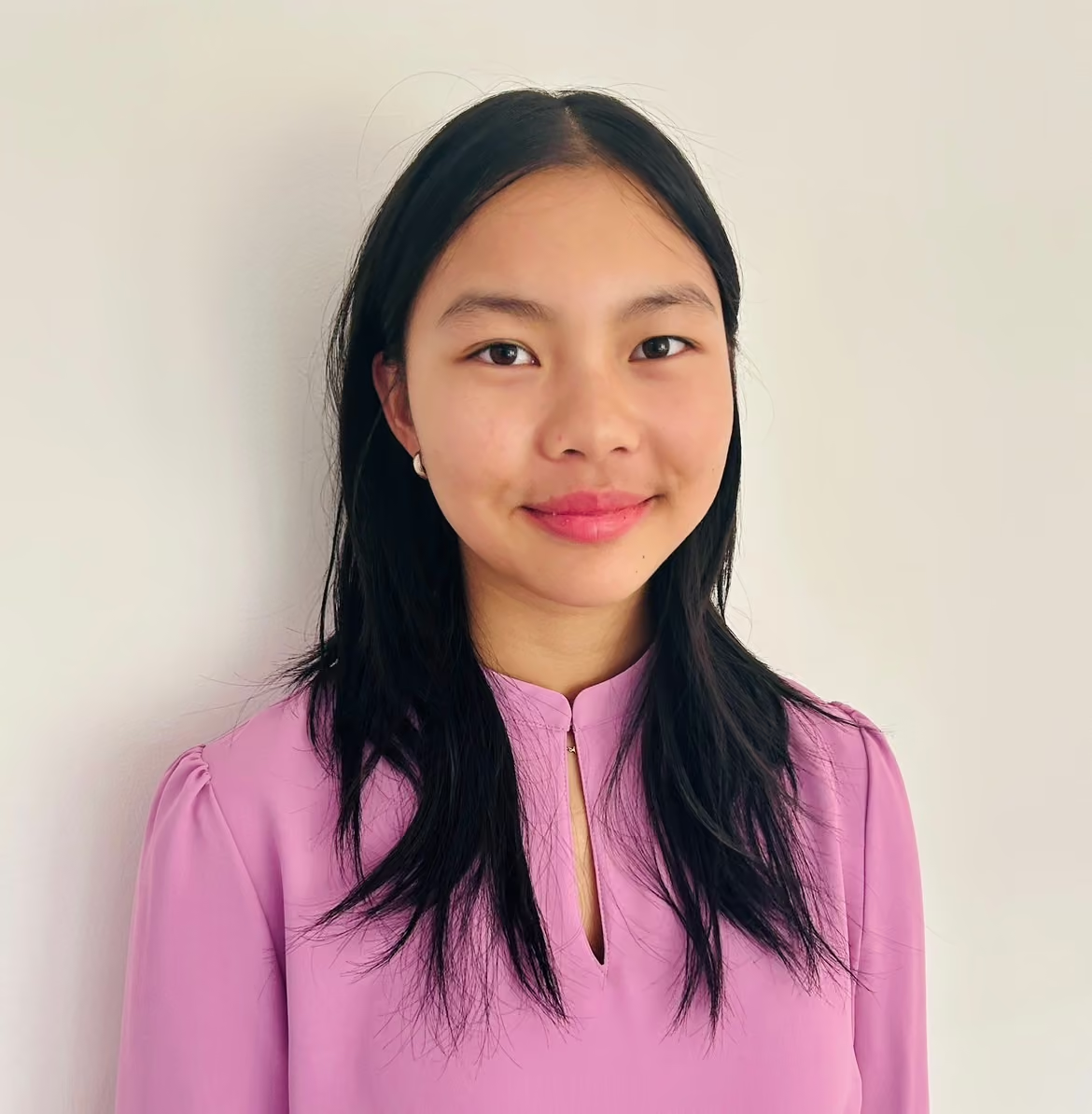
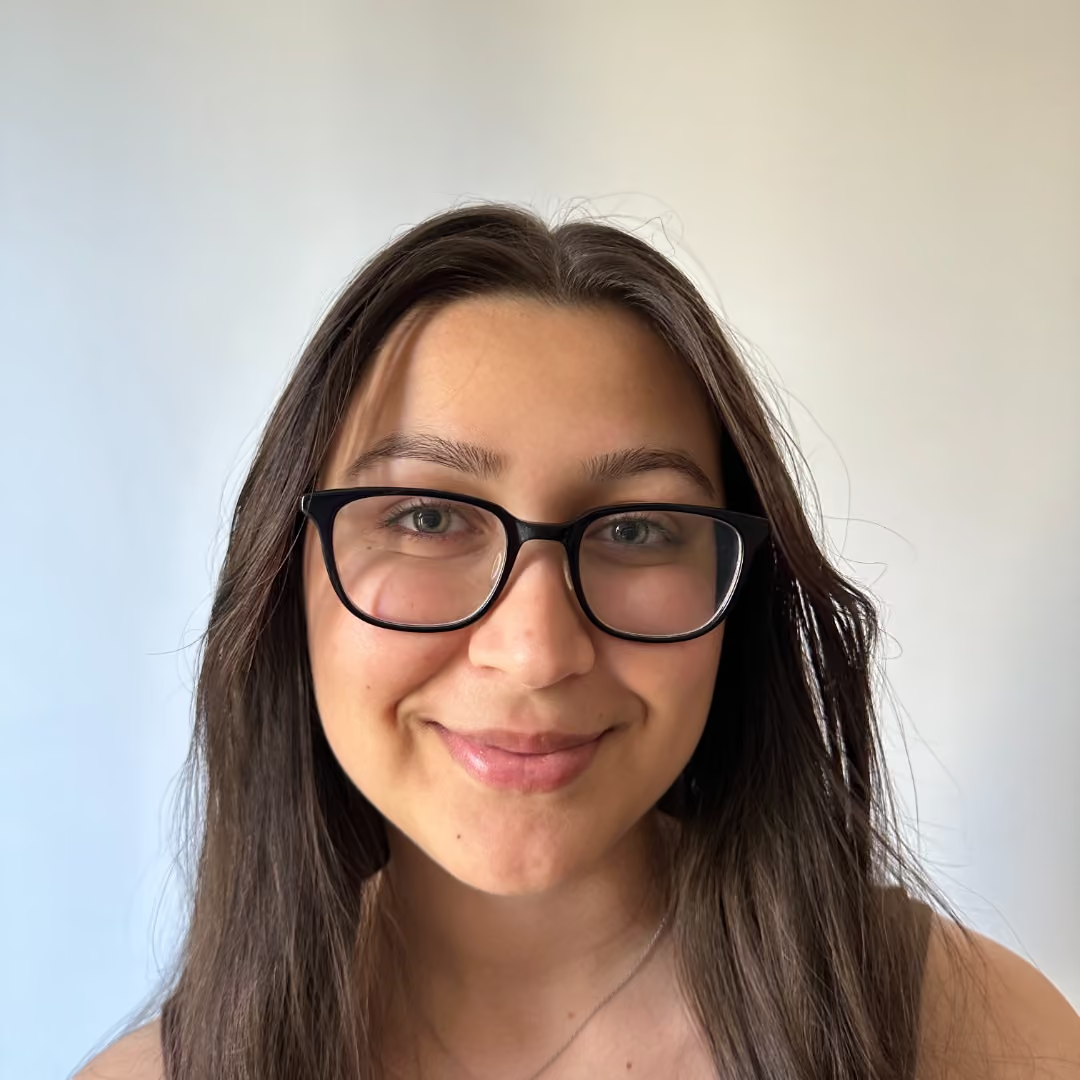
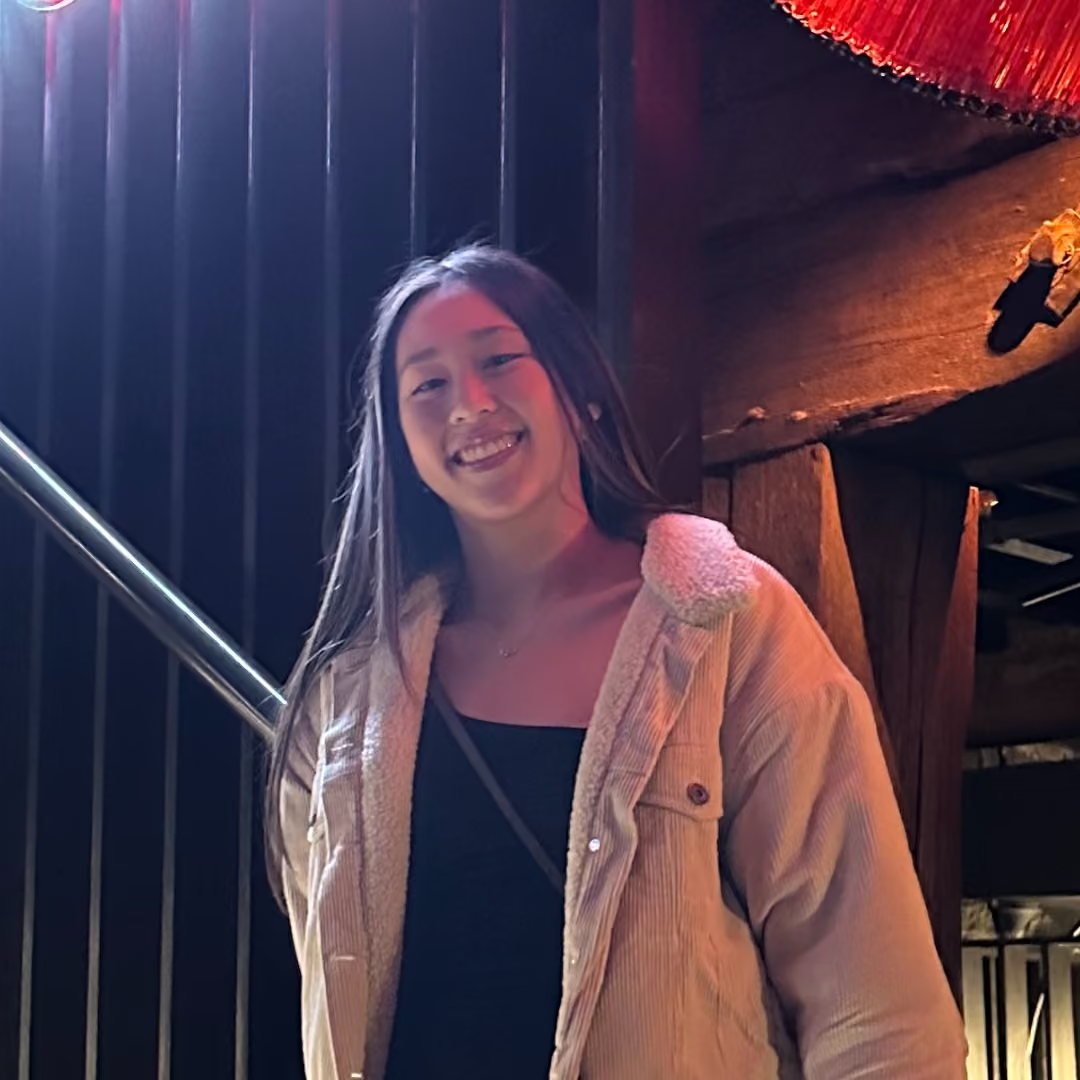
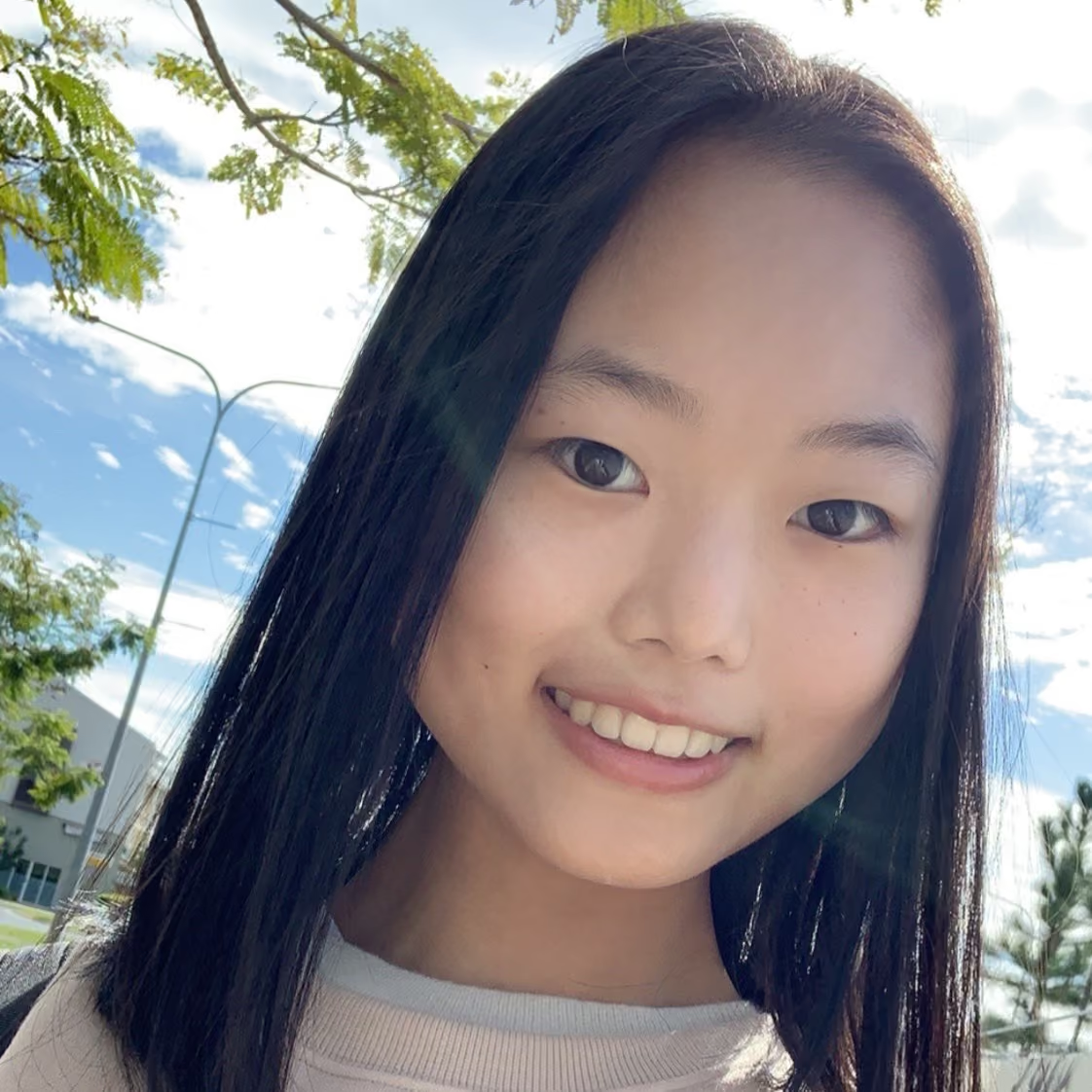
Meet our GCSE Spanish tutors
Our team is a combination of GCSE graduates who sat these exams recently and qualified teachers with years of classroom and examining experience.
11
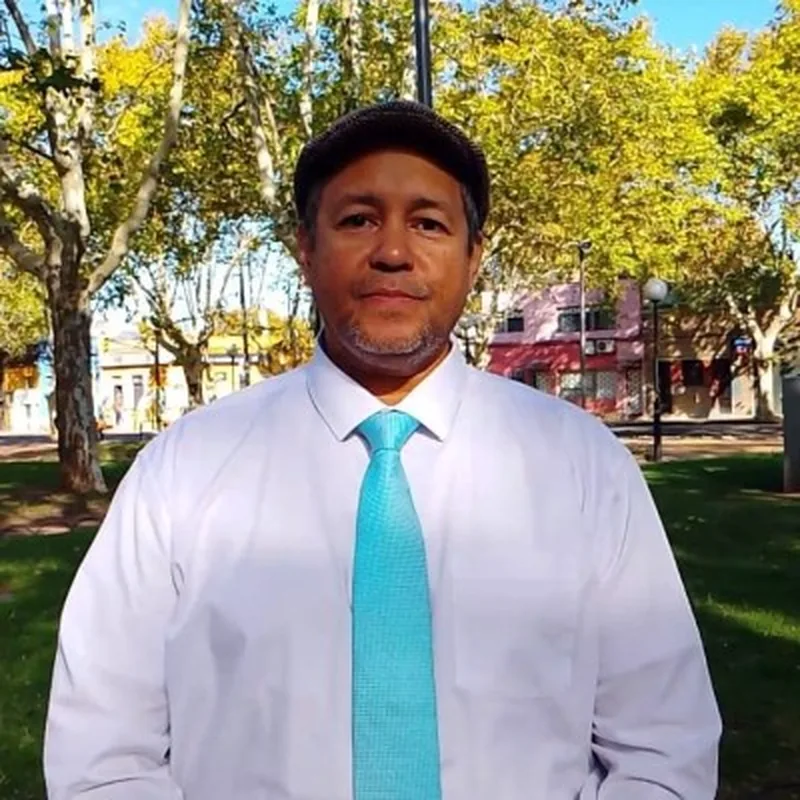
I help students achieve top-band results by combining subject mastery with systematic, high-level analytical skills. Specializing in Spanish, I provide rigorous, structured support that goes beyond the textbook. My approach centers on deep conceptual understanding, examination strategy, and expert guidance for their exams. Whether you are aiming to bridge knowledge gaps or polish your final submissions, I offer the methodological rigor and bilingual expertise needed to turn complex academic challenges into measurable success. Experienced with teaching IGCSE Edexcel Spanish and IGCSE Cambridge English Literature in the classroom.
47
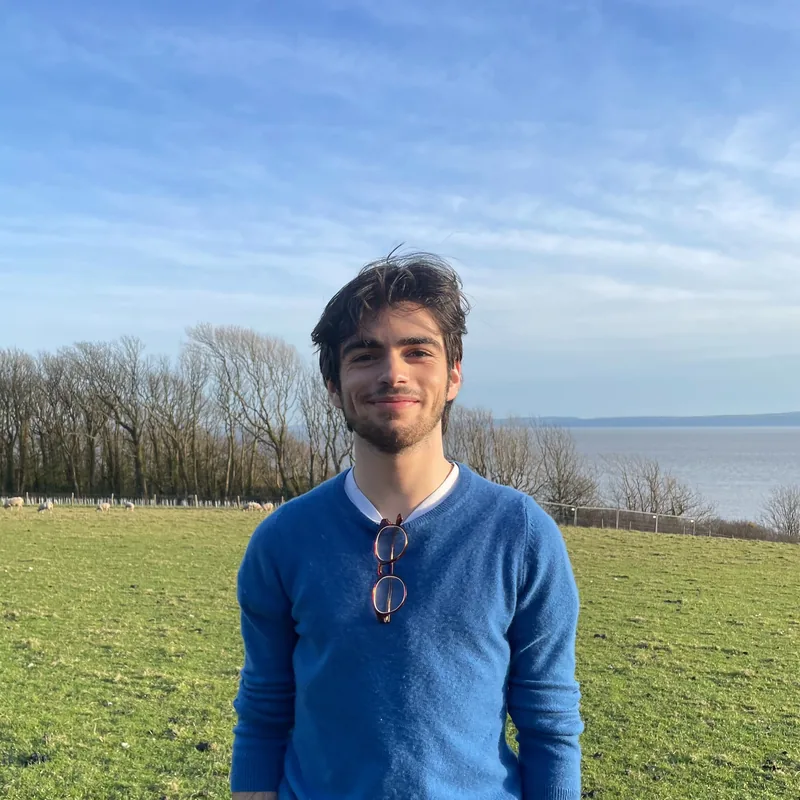
Roger achieved 11 A*s at GCSE in the UK and is currently pursuing a degree in Economics at Columbia University and Sciences Po Paris. He tutors GCSE and iGCSE students, with a particular focus on Economics and related subjects. He is fluent in Italian, Spanish and French, and is comfortable working with students for whom English is not their first language. Roger is a rigorous and dedicated tutor who aims to make lessons engaging while building students’ confidence and interest in the subject.

34
Ana Lucía is a Cambridge IGCSE Literature in Spanish (0474) teacher, currently teaching Years 10 and 11. She has experience preparing students in literary analysis, close reading, essay writing, textual evidence, and exam-style responses aligned with Cambridge Assessment Objectives. She also teaches IB Spanish A: Literature, bringing additional experience in advanced literary study and academic writing. A native Spanish speaker with advanced English proficiency, she supports both Spanish-speaking and bilingual students, making complex literary concepts clear and accessible.

23
Virginia was born and educated in Spain and later qualified as a teacher in the UK. She also holds a Master’s degree in Translation.
She has been teaching IB Spanish and French since 2010 and has over 10 years of experience teaching IGCSE Spanish, as well as extensive experience teaching A Level Spanish. Throughout her career, she has worked in international schools in the UK, the UAE, Germany, China, and Thailand, teaching students from a wide range of nationalities, backgrounds, and abilities.
Virginia is an IB examiner and a certified examiner for other official exam boards, which means she has an in-depth understanding of what examiners are looking for and how students can maximise their marks. She particularly enjoys helping students master exam technique and strategies, develop their language skills, build confidence, and achieve results they can be proud of.

25
Vanessa is an Aeronautical Engineering undergraduate at Imperial College London who demonstrated exceptional academic drive by independently self-studying and completing A-Level Mathematics and Further Mathematics early in Year 12. As one of only 13 students in the UK in her cohort to achieve a perfect sweep of 13 Grade 9s at GCSE, she brings a proven track record of top-tier academic excellence alongside over two years of dedicated tutoring experience. She has successfully guided students across Edexcel, AQA, and more to reach their full potential.
Vanessa adopts a structured, growth-oriented approach, starting with diagnostic feedback to target fundamental concepts before progressing to rigorous exam-style question practice. Empathetic, flexible, and disciplined, she instils confidence and resilience in her tutees while providing out-of-hours support to ensure they always feel fully supported.
The tutors you see here are just a selection from our team of hundreds of tutors, please contact our Learning Advisors to discuss tutoring options
Why GCSE Spanish needs the right tutor
What makes GCSE Spanish hard
GCSE Spanish tests four separate skills, and each one goes wrong in its own way. You have to follow recorded speech that sounds fast because native speakers run words together, read texts containing some unfamiliar words, write accurately under time pressure and speak to a teacher without a dictionary. Spanish verbs carry a lot of information in their endings, so one wrong ending changes the person or the tense, and examiners notice.
Other things that make it hard:
- Choosing correctly between the preterite and the imperfect, and between ser and estar
- Irregular and stem-changing verbs, including spelling changes in the preterite that must be written exactly
- Dictation on the new AQA and Edexcel listening papers, where accents and letters such as h, b and v must be spelt correctly
- Translation in both directions, where a missing accent, agreement or object pronoun costs marks
- Unprepared conversation in the speaking test, which rewards developed, spontaneous answers rather than learned scripts
How tutoring changes the outcome
Our Spanish tutors work from your board's own past papers, mark schemes and examiners' reports, and run timed mock speaking tests in your board's format. Sessions target where Spanish marks are actually lost:
- verb endings, preterite and imperfect choices and ser or estar in writing and translation into Spanish
- listening and dictation answers spoiled by misheard negatives, numbers or time frames
- speaking answers that are too short, or too rehearsed to survive unprepared follow-up questions
- writing tasks that miss a bullet point or never move beyond the present tense
What you'll learn in GCSE Spanish tutoring
Core skills developed
The new UK GCSEs from AQA and Edexcel share three assessment objectives with the same weightings: understanding and responding to spoken language (35%), understanding and responding to written language (45%), and accurate use of the grammar and vocabulary prescribed in the specification (20%). Both boards publish the exact vocabulary and grammar each tier can test. WJEC in Wales uses a similar three-way split of 38%, 41.5% and 20.5%. Cambridge, Edexcel International and OxfordAQA instead weight listening, reading, speaking and writing at 25% each. We work through past-paper questions skill by skill, so you can see whether listening, accuracy or speaking is costing you marks rather than just seeing a lower total.
- Listening for gist, detail and opinion in recordings at near normal speed
- Reading Spanish texts closely and translating them into natural English
- Writing accurately across past, present and future time frames
- Speaking spontaneously in role plays, photo or picture tasks and conversation
- Controlling core grammar: verb endings, ser and estar, pronouns and agreements
How are students assessed
Every board assesses listening, reading, speaking and writing. On AQA, Edexcel, Edexcel International, Cambridge and OxfordAQA there is no coursework, and all papers are sat in one series at the end of the course. The speaking test is conducted and recorded by your teacher, usually shortly before the written exams. AQA, Edexcel, Edexcel International and OxfordAQA mark the recordings themselves, while Cambridge has the teacher mark the test and moderates a sample. WJEC in Wales is the exception: 45% of its GCSE is non-exam assessment, made up of an oracy test and a one-hour reading and writing task, both marked by external examiners.
- Listening and reading comprehension: past-paper recordings and texts drilled for detail, opinions and time frames, including dictation where your board sets it
- Translation and writing: answers checked line by line for verb forms, agreements and coverage of every bullet point, in both directions between Spanish and English
- Speaking: timed mock tests in your board's format, with unseen role plays, photo or picture cards and unprepared conversation questions
What GCSE Spanish topics do we cover?
OxfordAQA GCSE Spanish
Four papers, each worth 25%, sat at the end of the course in May/June or November, with no tiers. Paper 1: Listening (50 minutes including 5 minutes' reading time, 40 marks). Paper 2: Speaking (10 minutes plus 10 minutes' preparation, 40 marks) is a photo card and a general conversation, conducted by the teacher and marked by OxfordAQA. Paper 3: Reading (1 hour 15 minutes, 60 marks) ends with a translation into English of at least 50 words. Paper 4: Writing (1 hour 15 minutes, 60 marks) includes a translation into Spanish and an open-ended task of about 150 words.
Theme one: Identity and culture
- Topic 1: Me, my family, friends and people I know
- Topic 2: Technology in everyday life
- Topic 3: Free-time activities
Theme two: Local, national, international and global areas of interest
- Topic 1: Home, town, neighbourhood and region
- Topic 2: Social issues
- Topic 3: Global issues
- Topic 4: Travel and tourism
Theme three: Current and future study and employment
- Topic 1: My studies
- Topic 2: Life at school/college
- Topic 3: Education post-16
- Topic 4: Jobs, career choices and ambitions
OxfordAQA's themes follow AQA's previous UK GCSE Spanish (8698), but the qualification is untiered, so every student sits the same papers and can reach grade 9. Listening and Reading each include a section with questions in Spanish, to be answered in Spanish or non-verbally, and the speaking test has no role play. Sessions on this board practise answering questions set in Spanish and prepare the general conversation, which carries 25 of the 40 speaking marks.
WJEC GCSE Spanish
Eduqas, WJEC's brand in England, discontinued its GCSE Spanish after the final assessment in summer 2025, so this board now applies to schools in Wales only. WJEC's Made-for-Wales GCSE Spanish is first awarded in summer 2027. It has four units and no tiers. Unit 1: Oracy (non-exam assessment, 7–10 minutes plus 10 minutes' preparation, 60 marks, 30%) and Unit 2: Reading and Writing (a 1-hour non-exam assessment, 45 marks, 15%) are completed in the final year, the oracy test in a five-week period in April and May and the Unit 2 task in a window between March and May. Unit 3: Listening (45 minutes, 45 marks, 20%) and Unit 4: Reading and Writing (1 hour 30 minutes, 70 marks, 35%) are sat in the summer. It is graded A*–G.
Broad themes
- language for leisure and wellbeing
- language for travel
- language for study and work
The oracy test has three tasks: a read aloud and role play, a presentation and discussion, and a conversation. Preparation for the presentation can begin two weeks before the first timetabled assessment. Unit 4 includes a translation from Spanish into Welsh or English, because the qualification is offered in both languages. Sessions on this board prepare the presentation and its follow-up discussion and practise the Unit 2 task under timed conditions.
IAL GCSE Spanish
Three papers, all sat in the June series at the end of the course. Paper 1: Listening (30 minutes plus 5 minutes' reading time, 40 marks, 25%) has seven recorded tasks, each heard twice. Paper 2: Reading and Writing (1 hour 45 minutes, 80 marks, 50%) has a reading section and a writing section made up of a 60–75 word task, a 130–150 word task chosen from three, and a grammar task. Paper 3: Speaking (8–10 minutes, 40 marks, 25%) is conducted by a teacher and marked by Pearson. There are no tiers.
A. Home and abroad
- 1 Life in the town and rural life
- 2 Holidays, tourist information and directions
- 3 Services (e.g. bank, post office)
- 4 Customs
- 5 Everyday life, traditions and communities
B. Education and employment
- 1 School life and routine
- 2 School rules and pressures
- 3 School trips, events and exchanges
- 4 Work, careers and volunteering
- 5 Future plans
C. Personal life and relationships
- 1 House and home
- 2 Daily routines and helping at home
- 3 Role models
- 4 Relationships with family and friends
- 5 Childhood
D. The world around us
- 1 Environmental issues
- 2 Weather and climate
- 3 Travel and transport
- 4 The media
- 5 Information and communication technology
E. Social activities, fitness and health
- 1 Special occasions
- 2 Hobbies, interests, sports and exercise
- 3 Shopping and money matters
- 4 Accidents, injuries, common ailments and health issues
- 5 Food and drink
The speaking test is unusual: students choose and bring their own picture for Task A, then hold two conversations on topics picked at random by Pearson, and three different topics must be covered across the three tasks. Sub-topics A3, C3, C5, D2 and E4 are not tested in speaking. The writing section also includes a grammar task in which words in brackets must be changed into the correct form. Sessions on this board help students choose a picture that meets Pearson's requirements and practise conversations across every speaking topic.
EDEXCEL GCSE Spanish
Four papers, each worth 25%, all taken at the same tier. Paper 1: Speaking in Spanish (7–9 minutes Foundation, 10–12 minutes Higher, plus 15 minutes' preparation; 50 marks) has a read aloud task, a role play and a picture task with conversation. Paper 2: Listening and understanding in Spanish (45 minutes Foundation, 60 minutes Higher, including 5 minutes' reading time; 50 marks) ends with a 10-mark dictation. Paper 3: Reading and understanding in Spanish (45 minutes Foundation, 60 minutes Higher; 50 marks) ends with a translation into English. Paper 4: Writing in Spanish (1 hour 15 minutes Foundation, 1 hour 20 minutes Higher; 50 marks) includes a translation into Spanish. Speaking takes place in a five-week period in April and May and the written papers in May/June. This specification was first examined in 2026.
Thematic contexts
- My personal world
- Lifestyle and wellbeing
- My neighbourhood
- Media and technology
- Studying and my future
- Travel and tourism
Edexcel gives students some control over the speaking test: two of the six thematic contexts are randomly generated by Pearson, the student picks one in advance for the picture task, and the conversation starts in that context. The writing paper sets open-response questions in both formal and informal contexts, so choosing the right register matters, and Higher students write two extended answers worth 18 and 22 marks. Sessions on this board prepare every thematic context for the picture task and practise formal and informal writing to the recommended word counts.
AQA GCSE Spanish
Four papers, each worth 25%, sat at the end of the course at either Foundation or Higher tier. Paper 1: Listening (35 minutes Foundation, 45 minutes Higher; 40 or 50 marks) ends with a dictation of short sentences. Paper 2: Speaking (7–9 minutes Foundation, 10–12 minutes Higher, plus 15 minutes' supervised preparation; 50 marks) has a role-play, a reading aloud task with a short conversation, and a photo card discussion. Paper 3: Reading (45 minutes Foundation, 1 hour Higher; 50 marks) ends with a translation into English. Paper 4: Writing (1 hour 10 minutes Foundation, 1 hour 15 minutes Higher; 50 marks) includes a translation into Spanish. This specification was first examined in 2026 and replaced AQA's previous GCSE Spanish (8698).
Theme 1: People and lifestyle
- Topic 1: Identity and relationships with others
- Topic 2: Healthy living and lifestyle
- Topic 3: Education and work
Theme 2: Popular culture
- Topic 1: Free-time activities
- Topic 2: Customs, festivals and celebrations
- Topic 3: Celebrity culture
Theme 3: Communication and the world around us
- Topic 1: Travel and tourism, including places of interest
- Topic 2: Media and technology
- Topic 3: The environment and where people live
AQA's specification is built on a prescribed vocabulary list of 1,200 words for Foundation and a further 500 for Higher, and the Listening and Reading texts are written mainly from that list. The dictation and the reading aloud task test the links between sounds and spelling directly, so pronunciation and spelling are assessed as skills in their own right. The photo card discussion is the largest speaking task, worth 25 of the 50 marks, and most of it is unprepared conversation. Sessions on this board work through the vocabulary list systematically and practise dictation, reading aloud and unprepared conversation alongside past-paper questions.
CIE GCSE Spanish
Four papers, all compulsory and each worth 25%, with no tiers. Paper 1 Listening (about 50 minutes, 40 marks) uses multiple-choice and matching questions. Paper 2 Reading (1 hour, 45 marks) adds questions needing short written answers in Spanish. Paper 3 Speaking (about 10 minutes plus 10 minutes' preparation, 40 marks) is one role play and two topic conversations. Paper 4 Writing (1 hour, 45 marks) is a form-filling task, a directed writing task of about 80–90 words and an email/letter or article/blog of about 130–140 words. Exams run in June and November, with a March series in India for 0530; 7160 sits the same papers and is graded 9–1. Cambridge has published a revised syllabus for first examination in 2028, in which every paper is worth 40 marks and the Reading paper becomes entirely multiple-choice.
Topic areas
- A Everyday activities
- B Personal and social life
- C The world around us
- D The world of work
- E The international world
Cambridge is the only one of these boards where your own teacher marks the speaking test, with Cambridge moderating a sample. The role play and both topic conversations are allocated from a randomisation grid, so every topic area needs preparing, and until 2028 no notes can be made during the preparation time. In the writing paper, Question 3 carries 28 of the 45 marks. Sessions on this board practise role plays and topic conversations across all five areas and give the extended writing task the most time.
Ready to start?
Tell us the subject, exam board and target grade. A Learning Advisor reviews it the same day.
Why parents trust us
4.9/5 from 312 reviews · used by students at 500+ schools

GCSE Spanish tutoring for both tiers
Whichever tier you are entered for, we match you with a tutor who knows those papers and the grades they lead to. Not sure which tier is right? Your tutor will help you decide before entries close.
Foundation (or core) tier tutoring
Foundation papers use a smaller vocabulary and simpler tasks, and the highest grade available is a 5.
- Learn the core vocabulary, around 1,200 words at Foundation
- Speaking practice with a tutor, including the read-aloud and role-play tasks
- Accurate short writing, so simple sentences earn full marks
Higher (or extended) tier tutoring
Higher papers use a wider vocabulary and more demanding tasks, and open grades up to a 9, but a result below a 3 is ungraded.
- Extend to the full Higher vocabulary, around 1,700 words
- Translation both ways, using the tenses and structures examiners reward
- Confident, spontaneous answers in the speaking exam
We teach both tiers for AQA and Edexcel, as well as the untiered Cambridge IGCSE, Edexcel International GCSE, OxfordAQA and WJEC courses.
FAQs
We have answers to your most frequently asked questions. Anything not answered here, please reach out to our team.
Yes. Our GCSE Spanish tutors teach both tiers on AQA and Pearson Edexcel. You sit all four skills at the same tier, so lessons cover listening, speaking, reading and writing at the level of your entry. On Foundation, that means the core vocabulary of around 1,200 words and accurate short answers. On Higher, it means the full vocabulary of around 1,700 words, translation both ways and spontaneous speaking. If your child is between tiers, their tutor will help you choose before entries close.
On AQA and Pearson Edexcel, Foundation covers grades 1–5 and Higher covers 4–9, and you sit all four skills at the same tier, so you cannot take Higher listening and Foundation writing. A Higher student who narrowly misses grade 4 can be given a grade 3, but below that the result is U. In June 2026, grade 4 needed 90 out of 200 on AQA Higher but 130 on AQA Foundation, because Foundation papers are easier and the boundaries are set higher. Anyone who needs a 6 or 7 for A-Level Spanish must take Higher, and students who are confident in speaking and writing with some range of tenses usually do better on it. Students still building basic vocabulary are safer on Foundation. The IGCSEs and OxfordAQA are untiered, so everyone sits the same papers. Sources: AQA and Pearson.
GCSE Spanish means the UK specifications from AQA and Pearson Edexcel, while IGCSE Spanish means Cambridge IGCSE Spanish 0530 (7160 on the 9–1 scale) or Edexcel International GCSE 4SP1. All of them test listening, speaking, reading and writing, but the UK GCSEs are tiered, follow a set vocabulary list and include dictation and read-aloud tasks, while the IGCSEs are untiered and Edexcel International combines reading and writing in one paper worth 50%. Universities and sixth forms accept both. The UK GCSE is sat in May and June only, while Cambridge IGCSE and Edexcel International GCSE also run a full November series, which suits students outside the UK and anyone who needs a resit. Read more about online IGCSE tutoring.
Each sixth form and college sets its own entry requirements, so check the prospectus of the one you're applying to. As a guide, most ask for a grade 6 or 7 in GCSE Spanish for A-Level Spanish, taken at Higher tier, and many selective schools ask for a 7. If you take Cambridge IGCSE on the A*–G scale, a grade A is broadly equivalent to a 7 and a C to a 4, the points that were aligned when the 9–1 scale was introduced (GOV.UK grading factsheets), so a requirement of grade 6 usually means a strong B. See A-Level Spanish.
GCSE Spanish tutoring with an academic tutor costs from $50 USD (£38) per hour, and packages save 5–15%, which suits weekly lessons that build vocabulary and speaking confidence steadily, with extra mock speaking exams before the test window. Pay as you go is invoiced after each lesson, with no lock-in contracts. Professional tutors (qualified teachers and examiners) cost from $75 USD (£56) per hour. See pricing.
Late cancellations and no-shows are charged at half the lesson fee. That applies if you cancel less than one hour before the start time, or don't turn up. You can still change a session time whenever you need to, as long as you give your tutor notice.
Our academic tutors are high-achieving graduates and undergraduates who scored in the top band in Spanish themselves, and our professional tutors are qualified teachers or examiners with 5+ years' experience. We accept only the top 5% of applicants. You are matched to a tutor who knows your board, so they can run a mock speaking exam in Spanish to your board's format and mark your writing and translations the way an examiner would. Read more about our GCSE tutors and how we select tutors.
Lessons are one-to-one and online, with a tutor matched to GCSE Spanish, your exam board and your target grade. Each session works on your weakest areas using past paper questions from your own board, whether that is AQA, Pearson Edexcel, Edexcel International GCSE or Cambridge IGCSE 0530. For Spanish that usually means vocabulary learned steadily from your board's list, translation drills on verb endings and irregular verbs, and regular mock speaking exams with unprepared questions. See how it works or start with the student application.
Spanish is often seen as one of the more approachable languages because pronunciation is regular, but the exams still test four separate skills. Listening questions use the full vocabulary list at natural speed, and the new UK specifications add a dictation. In writing and translation, marks depend on accurate verb endings, irregular verbs and choices such as ser and estar, and in the speaking exam you have to answer unprepared questions. Students who learn vocabulary steadily from Year 9 have a real advantage. Our online GCSE tutoring focuses on exactly those areas.
In summer 2026, 7.9% of GCSE Spanish entries in England achieved a grade 9 and 28.9% achieved a 7 or above (JCQ), from 131,247 entries. The international figures are much higher because many candidates are native or heritage speakers: 44.1% of Edexcel International GCSE Spanish candidates achieved a 9 (provisional figures from Pearson), and 44.7% of Cambridge IGCSE Spanish candidates achieved an A* (Cambridge). For a student learning Spanish as a foreign language, a 9 needs accurate grammar under pressure, a wide vocabulary and a speaking exam that sounds spontaneous rather than memorised.
Grade boundaries are set after each exam series and change every year, so older figures are only a guide. In June 2026, AQA's Higher tier grade 9 boundary for Spanish was 175 out of 200 (88%), with grade 4 at 90 (45%), and Foundation grade 4 needed 130 (65%). Pearson Edexcel's Higher grade 9 was 179 out of 200 (90%), with grade 4 at 108, and Foundation grade 4 needed 141. Edexcel International GCSE 4SP1 set grade 9 at 132 to 138 out of 160 (83–86%), depending on the papers taken, and Cambridge IGCSE 0530's A* threshold was 164 out of 200 (82%). Sources: AQA, Pearson, Pearson International and Cambridge.
There is no coursework on AQA, Pearson Edexcel, Edexcel International GCSE, Cambridge IGCSE or OxfordAQA, but every board has a speaking exam worth about a quarter of the grade. It is conducted and recorded by your teacher, usually in April or May, and on the UK GCSEs it includes a role play, a read-aloud task, a photo card and a conversation. AQA, Pearson and OxfordAQA mark the recordings themselves, while Cambridge has the teacher mark the test and moderates a sample. The exception is WJEC in Wales, where 45% of the GCSE is non-exam assessment. See the Edexcel International specification.
GCSE Spanish is assessed by exams in listening, speaking, reading and writing, each worth 25%, all sat at the end of the course at either Foundation or Higher tier on AQA and Pearson Edexcel. The new UK specifications, first examined in 2026, test a set vocabulary list, include a dictation in the listening paper and a read-aloud task in the speaking exam, and ask for translation in both directions. Edexcel International GCSE 4SP1 is untiered, with listening (25%), a combined reading and writing paper (50%) and speaking (25%), and Cambridge IGCSE 0530 sets four papers worth 25% each. See the AQA specification.
All GCSE subjects
Ready to find your GCSE Spanish tutor?
We will find you a tutor in 24 hours and if you are not happy after the first session, we will give you a full refund and find you another tutor for no extra charge.
Resources for GCSE students
Check out our free content about the GCSE